

The energy transition away from hydrocarbon fossil fuels is in full swing. There are many initiatives and investments to go totally green or adopt a carbon-neutral strategy. Wind and solar are the main focus areas, but they cannot provide for all our needs, particularly for our heavy industries.
Wind and solar are not guaranteed sources and furthermore any surplus energy generated when the sun shines or the wind blows needs to be stored. Hydrogen generation is seen as a viable alternative to storing the surplus energy in batteries.
Hydrogen is becoming more important to replace natural gas, either for direct combustion or a means of generating electricity in fuel cells.
Hydrogen needs to be manufactured as it does not exist naturally by itself on earth. Large investments are now being considered to produce hydrogen from electrolysis wind or solar technologies, termed green hydrogen, or from hydrocarbon gases (natural gas through steam reformation) and capturing the carbon elements and storing them in the ground. This is termed blue hydrogen.
Once manufactured, whether it’s blue or green, it needs to be stored or transported. At normal temperatures and pressures hydrogen is a colourless, odourless gas that can be compressed into storage vessels or transported in pipelines. For markets where hydrogen has to be transported over long distances then it can also be liquefied at -253°C, stored in cryogenic vacuum-insulated tanks and transported via specially designed ships similar to LNG carriers.
Alternatives that are now being pursued are to transport hydrogen as liquid ammonia (NH3) and then recover the hydrogen at the desired destination through a reaction process. The hazards here are now not only from highly flammable hydrogen but also a toxic product of ammonia.
Hydrogen and ammonia are not new technologies. They have been around since industrialisation in one form or another. High-risk industries are used to handling, storing and dealing with these substances. However, these they will become more widespread and integrated into the public sectors.
Lessons learned and experienced from the high-risk industries regarding hydrogen and ammonia need to disseminate down to the operators and public protection operators, to give awareness and new protocols as to the hazards and risks posed. There are many studies conducted on Hydrogen to help further development of systems to be used in the energy transition.
Images supplied by Author / Contributor
Characteristics of hydrogen
Hydrogen is very different in its physical properties from hydrocarbon gases such as LPG and although on the surface they have similar properties to natural gas (methane), hydrogen needs special attention due to some nuances in its behaviour.
Significant differences must be taken into account when dealing with hydrogen releases. The areas of concern are how to detect hydrogen releases, the ease with which hydrogen gas could be released and ignited, and finally the different strategies needed when dealing with a release or fire.
Hydrogen is not detectable by nose as it’s odourless, and any odourising agents that are normally added to gases do not work with Hydrogen. These additives are heavier than hydrogen molecules and cannot migrate the same path with hydrogen. Furthermore, many fuel cells demand very high purity hydrogen. Any contaminants can render the fuel cell inoperable.
Hydrogen is the lightest element in the periodic table. The size of the hydrogen atom may lead to increased risk of release as the molecule can diffuse through certain materials, even materials considered airtight, because hydrogen is smaller than oxygen and nitrogen molecules. Existing infrastructure (i.e. natural gases network) needs to be scrutinised, and pipelines, valves and other ancillary equipment has to be suitable to carry hydrogen and also be resistant to another phenomenon called hydrogen embrittlement, which will cause certain materials to become drastically weakened.
Should it be released it will quickly disperse upwards into the atmosphere, being 14 times lighter than air. Its buoyancy means that flammable mixtures are unlikely to collect at distances from the release unlike heavier hydrocarbon gases even though the flammable range of hydrogen is one of the widest of all the gases.
Like all gases there are three phases to a gas release: the initial kinetic energy, the transition phase where the flow slows and the ambient condition take effect, and finally the buoyancy of the gas takes full effect. The outflow will depend on the pressure, size of release hole and the consequent flow rates. Horizontal high-pressure, high-output outflows can be the worst-case situations, as the gas clouds could exist within the flammable range many metres from the source until the buoyancy phase takes effect.
Another phenomenon that is peculiar to hydrogen is a warming of the gas as it exits the release point and expands during the transition from high to low pressure. Hydrocarbon gases have the reverse effect, they cool down, which causes the gases to remain heavy and stay close to the ground for longer. This Joule-Thompson effect could cause gas temperature to rise by more than 40K. This is not a major issue as the gas will dissipate upwards quicker. However, should the gas already be at an elevated temperature then further increases could bring the gas into its self-ignition range of 560°C.
Hydrogen has a very low ignition energy value, 0.017mJ which is 14 times smaller than natural gas. Bonding and earthing are even more important to prevent even inductive discharges igniting a release. Maintenance and service of hydrogen systems need very tight controls.
Liquid hydrogen has other risks compared to the compressed form. Due to its very low temperature, liquid releases can cause the oxygen in the air to condense or even solidify. The implication here is that pure oxygen coming into contact with carbonaceous materials may cause spontaneous combustion and the worst case is if liquid hydrogen comes into contact with pure oxygen then there is a detonation risk.
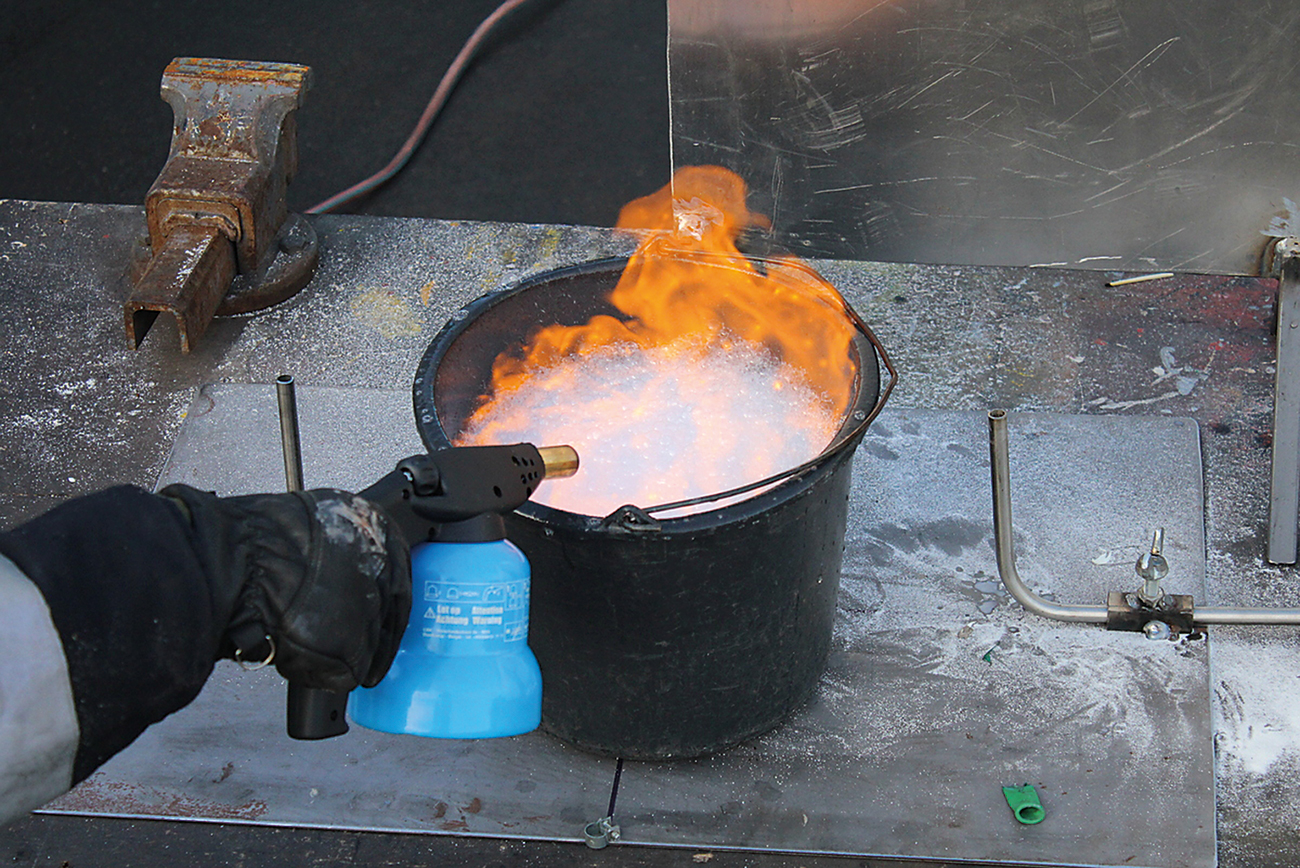
There are new challenges in the future to understand the hazards and risks during the energy transition. RelyOn Nutec is committed to helping its customers understand the differences and build safe procedures in dealing with incidents. This has until now manifested in a small hydrogen awareness table, which demonstrates some of these characteristics. In order to align with current developments and market needs, our Product Development team has joined various hydrogen working groups and organisations to expand our hydrogen training offerings in the near future.
For more information, go to www.relyonnutec.com
About the Author

Steve Watkins is Business Development Manager and Gijsbert van Pinxteren is International Account Manager with RelyOn Nutec.
