
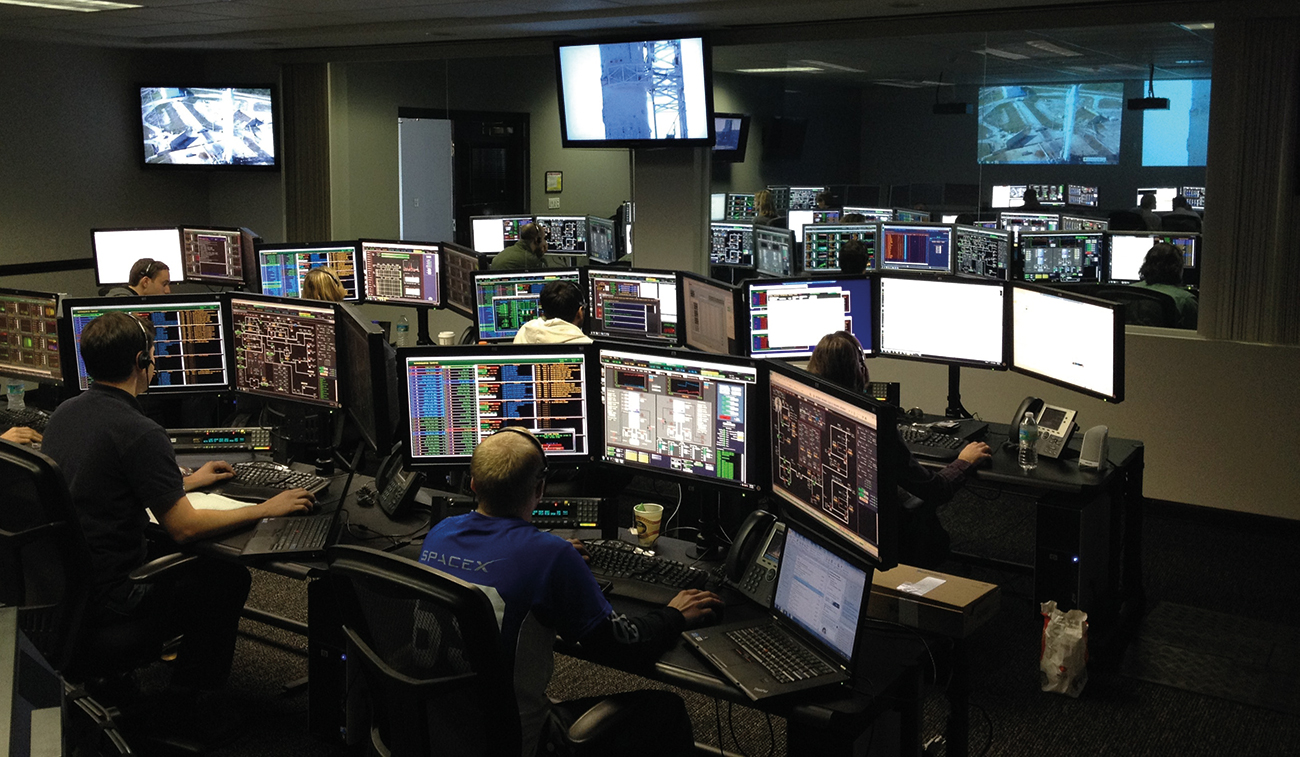
Mission critical facilities require robust, redundant fire protection to ensure service continuity and protection from damage by fire, smoke, corrosion, heat, water, etc.
ot many of us give much thought to the importance of data centres and data storage facilities, but our ever-increasing demand for instantly accessible information and reliance on instantly available communication make these facilities more and more essential as time passes. They are also critical to maintaining the operations of organizations and businesses around the world. Certain data centres have no tolerance for equipment damage and/or business interruption. Similarly, many rooms and areas in nuclear power plants contain equipment that is important for safe shutdown of the reactor. In both cases, damage to such equipment can have immediate, or eventually, catastrophic consequences.
Data centres
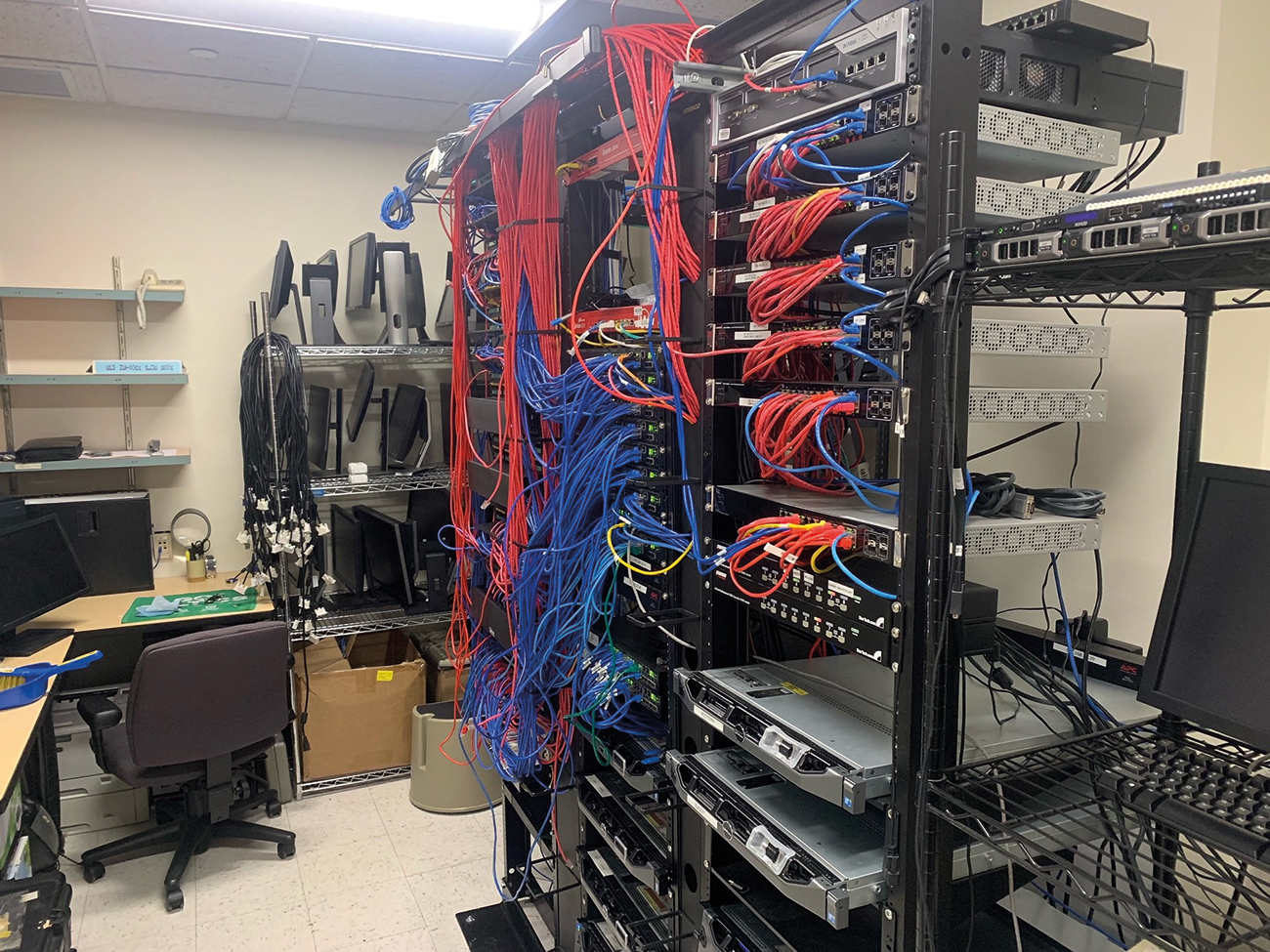
In the simplest of terms, a data centre is a facility used to house computer systems and associated components, such as telecommunications and data storage systems. It generally includes redundant/backup equipment, power supplies, communication connections/pathways, environmental controls, fire suppression systems and various security components.
ANSI/TIA-942, Telecommunications Infrastructure Standard for Data Centers, defines four levels of data centres with increasing requirements for the data centre infrastructure reliability, redundancy and elimination of single point failures. The simplest is a Tier 1 data centre, essentially a server room, following basic guidelines for the installation of computer systems. The most stringent level is a Tier 4 data centre, which is designed to host the most mission-critical computer telecommunication and data storage systems, with fully redundant subsystems and power sources for continuous operation over indefinite periods of time.
In higher-tier data centres, most systems and sub-systems have multiple redundancies to eliminate single-point failures. The likelihood of damage from fire, water and/or smoke is minimized through the use of incipient fire detection systems which are typically installed with alternative fire suppression (e.g. total-flooding, gaseous) systems. Incipient detectors, or Very Early Warning Smoke Detectors (VEWSD) will detect products of combustion during the earliest stages of an electrical fire. This stage can last for hours or even days before flames or smoke are even visible.
While there may be water damage concerns, use of a gaseous suppression system in lieu of a sprinkler system would disqualify the building from being ‘fully-sprinklered’ per the International Building Code. The building may be required to be fully sprinklered, or the code compliance approach may rely on exceptions that could not otherwise be used. Therefore, sprinkler protection is typically also provided. Double-interlock pre-action sprinkler systems are used to minimize the possibility of water damage. The redundant fire suppression systems achieve both objectives of minimizing equipment damage and prolonged protection of the room and building.
Images supplied by Author / Contributor
Nuclear power plants
Similar to Tier 4 data centres, many rooms and areas in nuclear power plants contain equipment such as electrical cabinets, control panels, motor control centres and cable trays that are critical for maintaining cooling systems and safe shutdown of the reactor. There are also multiple redundant ‘trains’ of equipment (success paths) to eliminate single-point failures and minimize likelihood of reactor core damage. Due to the redundancies, damage to such equipment may not be immediately catastrophic, but elimination of redundancies can increase risk to unacceptable levels. NFPA 805 is a performance-based standard that requires the use of quantitative analytical methods, i.e. probabilistic risk assessment and computer fire modelling, to calculate the core damage frequency (CDF) associated with fires. Such analyses may identify vulnerabilities and necessitate mitigation strategies to improve the CDF. Incipient detection systems and gaseous suppression systems, both whole room flooding systems and local in-cabinet suppression systems, are therefore often used to improve the calculated CDF.
Similarities
For protection of these critical areas and equipment, properly designed, installed, tested and maintained incipient detection and gaseous suppression systems will minimize the possibility of fire and water damage. Fire should be detected and suppressed well before ceiling temperatures result in activation of a double-interlock pre-action sprinkler system.
Fire protection may, therefore be, necessary at two or three different levels, i.e. the building (plant) level, the room level and the rack (cabinet) level. Since many electrical components are enclosed, room-level protection may not be effective. In such cases, local detection and suppression systems may be needed inside the cabinet, rack or sub-floor. Vent openings in cabinets and enclosures can limit hold times and must be considered in the local system suppression design.
In other cases, building and/or room fire protection may be sufficient. They may satisfy prescriptive code requirements and meet objectives where risk of some fire or water damage is manageable. NFPA 75, Standard for the Fire Protection of Information Technology Equipment, and NFPA 76, Standard for the Fire Protection of Telecommunications Facilities, provide requirements for protection of IT equipment and telecommunications facilities from damage by fire, smoke, corrosion, heat and water, and protection of equipment and service continuity.
Similarly, plant-level fire protection may also be sufficient in nuclear power plant equipment rooms/areas where demonstrated by an appropriate risk analysis. This analysis may be qualitative or quantitative depending on the room/area in question and the NFPA standard that is used as the design/license basis.
If a gaseous system is installed, there are several candidate agents that can be considered to meet the typical fire protection objectives for data centres and nuclear power plant equipment rooms, some of these objectives are as follows:
- Minimize the possibility of water damage from water-based suppression systems
- Achieve fast and effective suppression of fires to minimize fire/smoke damage and downtime
- Minimize corrosive by-products of decomposition that may damage components
- Optimize cost/benefit considering the room and equipment to be protected
- Minimize hazard to personnel and responders
- Minimize environmental impact and probability of regulatory phase-out of agent
A qualified fire protection engineer can perform a feasibility study to evaluate the candidate fire protection systems and make recommendations to satisfy these fire protection objectives. Detailed discussion is always necessary to make sure the objectives are well defined and to ensure that the best fire protection strategy is implemented. Other factors to consider are:
- Response of security personnel (fire brigade)
- Likelihood, severity and consequences of loss of critical function, critical power, data, etc.
- Risk tolerance for equipment damage from smoke, fire, water and corrosion
- Risk tolerance for business interruption
- Insurance requirements
- System design and installation costs
Images supplied by Author / Contributor
Corrosive decomposition products
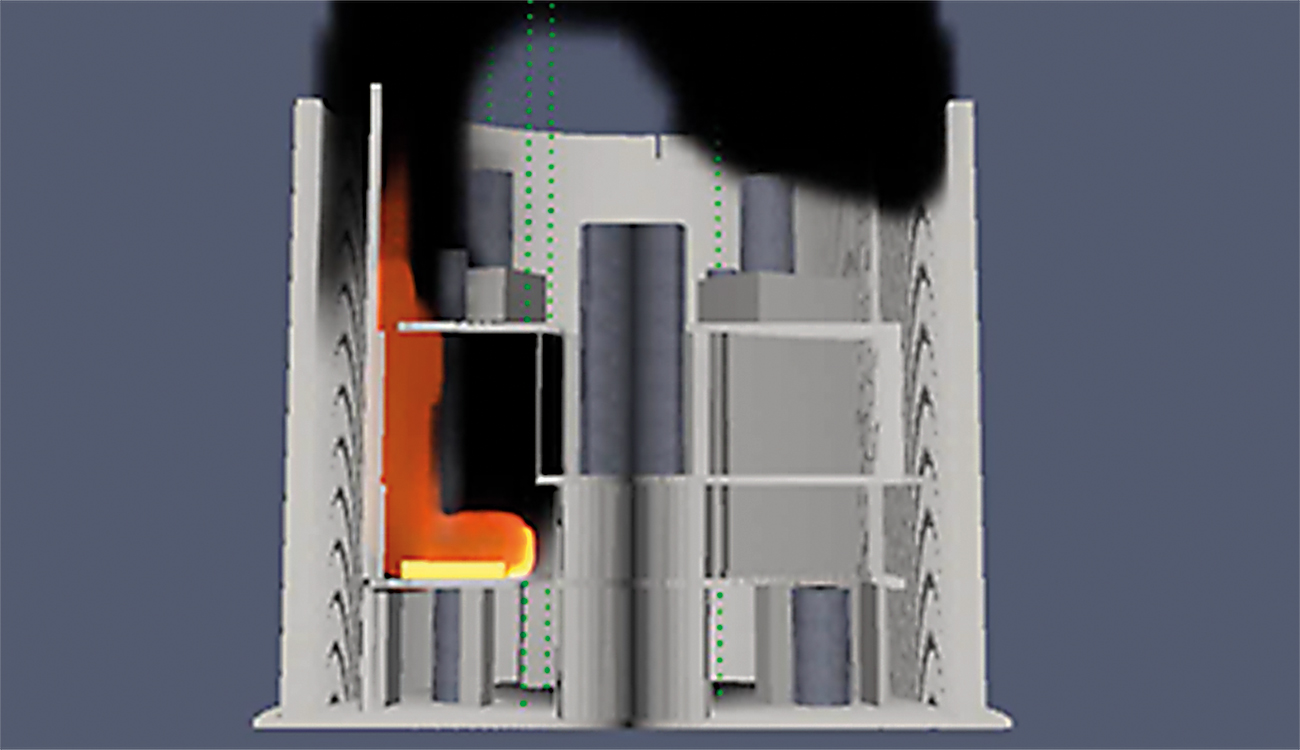
Quantitative and/or qualitative analyses to evaluate the potential effects of suppression system corrosive decomposition products on critical system components should also be considered. When hydro-fluorocarbon suppression clean agents interact with fire, corrosive decomposition products (CDPs) can form. Damage to sensitive equipment can occur if there is significant exposure. The amount of exposure is based on the concentration of CDP in the room and the time of the exposure. Minimizing the fire size and duration is therefore a primary objective in limiting production of CDPs, which is recognized by the design standard NFPA 2001, Clean Agent Fire Extinguishing Systems.
Studies have shown that for local application systems (cabinet fires with internal suppression), the amount of CDPs produced from extinguishment of a fire inside the cabinet is expected to be small (less than 100ppm) based on fire size and duration. The amount of CDPs outside the cabinet for such fires is expected to be minimal. Damage to the panel of fire origin is expected to be primarily from thermal effects and products of combustion (not agent decomposition). Damage to surrounding equipment from corrosive effects of CDPs for local application systems is not expected.
Images supplied by Author / Contributor
Images supplied by Author / Contributor
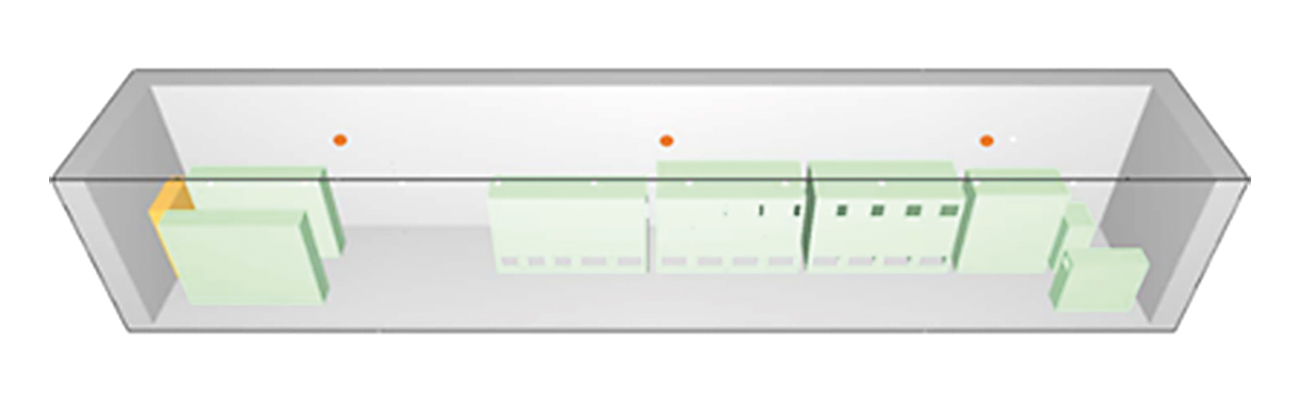
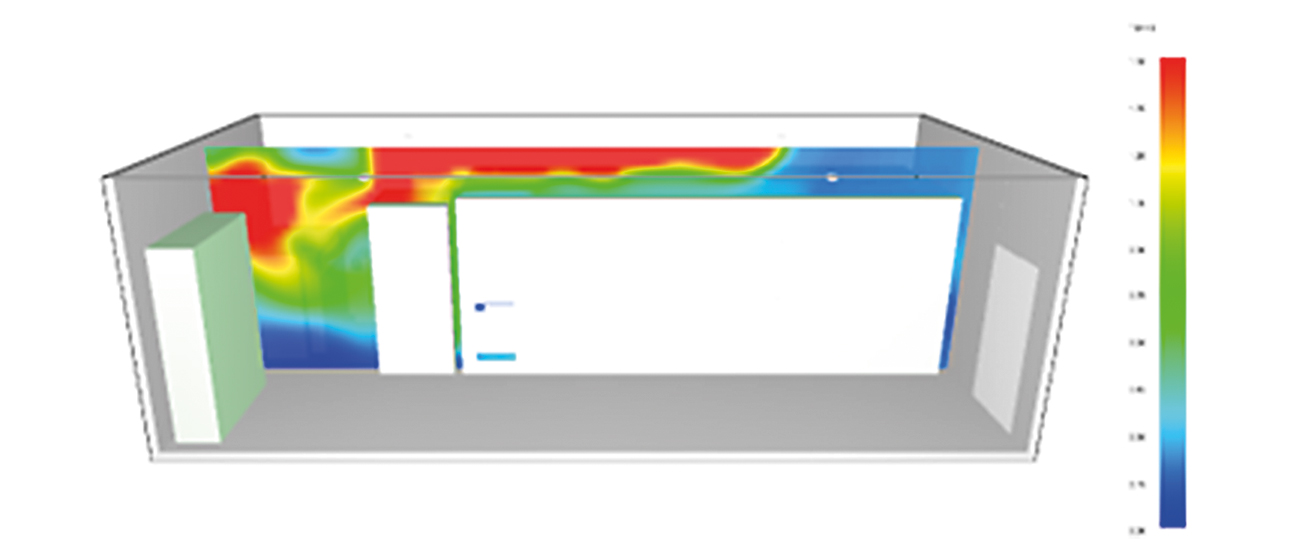
For whole-room total flooding systems, the quantitative analyses performed by EPM have shown concertation of HF in the fire zone can exceed 500ppm for Class B ( (flammable/combustible liquid) fires, which is the (approximate) short-term damage threshold for electronic equipment for exposures of 30 minutes or more. However, Class B fires are not typical in these critical areas. Additionally, compliance with NFPA 2001, in the design of systems, includes built-in factors of safety of increased design concentration to minimize the production of CDPs.
Post-fire mitigation strategies should be implemented to help mitigate any effects of CDPs, Nuclear industry guidance (NUREG 6850) states: ‘Proper post-fire management strategies can effectively eliminate any significant risk contribution from longer-term component failures.’ Procedures related to post-fire electrical cabinet damage, salvage, cleaning and replacement of damaged components should be developed to ensure mitigation of the effects of post-fire corrosive residue from both CDPs and corrosive products of combustion (CPCs).
Development of the right fire protection strategy for any room or area containing critical equipment requires careful consideration and risk analysis that should be conducted by a qualified fire protection engineer. There are several sources of additional guidance including the NFPA Handbook, NUREG 6850 NFPA 75 and NFPA 76. In addition to fire protection systems, these guidelines include data centre location, construction and fire resistive separation. The fire exposure hazard, from both inside and outside the data centre, should be considered.
For more information, go to www.epm-inc.com
About the Author

Ron Melucci is a fire protection engineer with EPM, Inc. He is a licensed P.E. in several US states and is a recognized expert in industrial fire protection and code consulting. He develops fire protection strategies and designs to achieve code/regulatory compliance and develops solutions to compliance challenges.
