

In today’s dynamic and rapidly evolving fire testing and certification field, the significance of team-building activities cannot be overstated. These activities are crucial for fostering a collaborative culture, enhancing communication and building employee trust between each other and the organisation. Team building transcends fun; it’s about creating a cohesive unit working effectively towards common goals. Effective team building can lead to increased productivity, improved employee morale and a stronger sense of community within the organisation.
Team-building activities encourage employees to step out of the comfort zone of their employment roles, interact with colleagues from different departments and understand each other’s strengths and weaknesses. This cross-functional interaction is essential for breaking down silos and promoting a culture of collaboration and mutual respect. When employees engage in activities requiring teamwork, they learn to rely on each other, communicate more effectively and support one another. This improves their ability to work together and creates a more harmonious and efficient workplace.
Team building through games
To understand the profound impact of team-building activities on our organisational culture, it is necessary to organise various games and sports events that encourage teamwork and interaction among employees. These activities include traditional games such as Lagori, Patintero and Tug of War and popular sports like cricket, football, badminton and table tennis.
The selection of these games is deliberate, as each offers unique opportunities for team building. For example, cricket and football require strategic planning, communication and coordination among team members, while games like table tennis and badminton emphasise quick thinking and adaptability. Traditional games like Lagori, Patintero and Tug of War provide a nostalgic touch and emphasise the importance of teamwork and collective effort.
Bringing colleagues closer
Through these games, employees form strong bonds of friendship and mutual respect. The informal setting of these activities allows for open communication and the breaking down of hierarchical barriers. Employees from different departments get to know each other on a personal level, fostering a sense of camaraderie and unity. This enhanced interpersonal connection translates into a more supportive and collaborative work environment.
Participation in these games also helps employees develop essential leadership, problem-solving and resilience skills. These skills are transferable to their professional roles, making them more effective in their day-to-day tasks. The sense of accomplishment and joy derived from these activities boosts morale and creates a positive and energetic workplace culture.
The essence of traditional games (Lagori, Patintero and Tug of War)
Just like in the games where every player plays a crucial role in the team’s victory, we believe every member of our organisation contributes significantly to our success. The principles of teamwork, innovation and integrity are at the core of our mission to provide top-notch fire-safety testing and certification services.
Our mission to ensure a safer and more sustainable future aligns with the underlying principle of collective effort and mutual support that these traditional games embody. In Lagori, players must work together to rebuild a stack of stones while avoiding being hit by the opposing team. This requires strategic planning, trust and excellent communication – all are equally essential qualities in our professional endeavours.
Patintero, a traditional Filipino game, is highly effective for team building. The game involves two teams: one acts as the ‘taggers’ and the other as the ‘runners’. The objective is for the runners to cross multiple lines without being tagged by the taggers. It is highly effective for team building through:
Collaboration and communication: Players must strategize and communicate to outmanoeuvre the opposing team, enhancing teamwork.
Trust and dependability: Success requires trusting teammates to fulfil their roles and foster reliability.
Problem-solving and strategy: The game encourages strategic thinking and collective problem-solving.
Leadership and roles: Players naturally take on leadership roles and define team roles based on strengths.
Team cohesion and morale: The competitive and physical nature of the game boosts team unity and morale.
Patintero promotes essential team-building skills in a fun, engaging environment.
Tug of War, a classic team-building game, further reinforces these principles. The game involves two teams pulling on opposite ends of a rope, each trying to pull the other team across a central line. Tug of War is compelling for team building through:
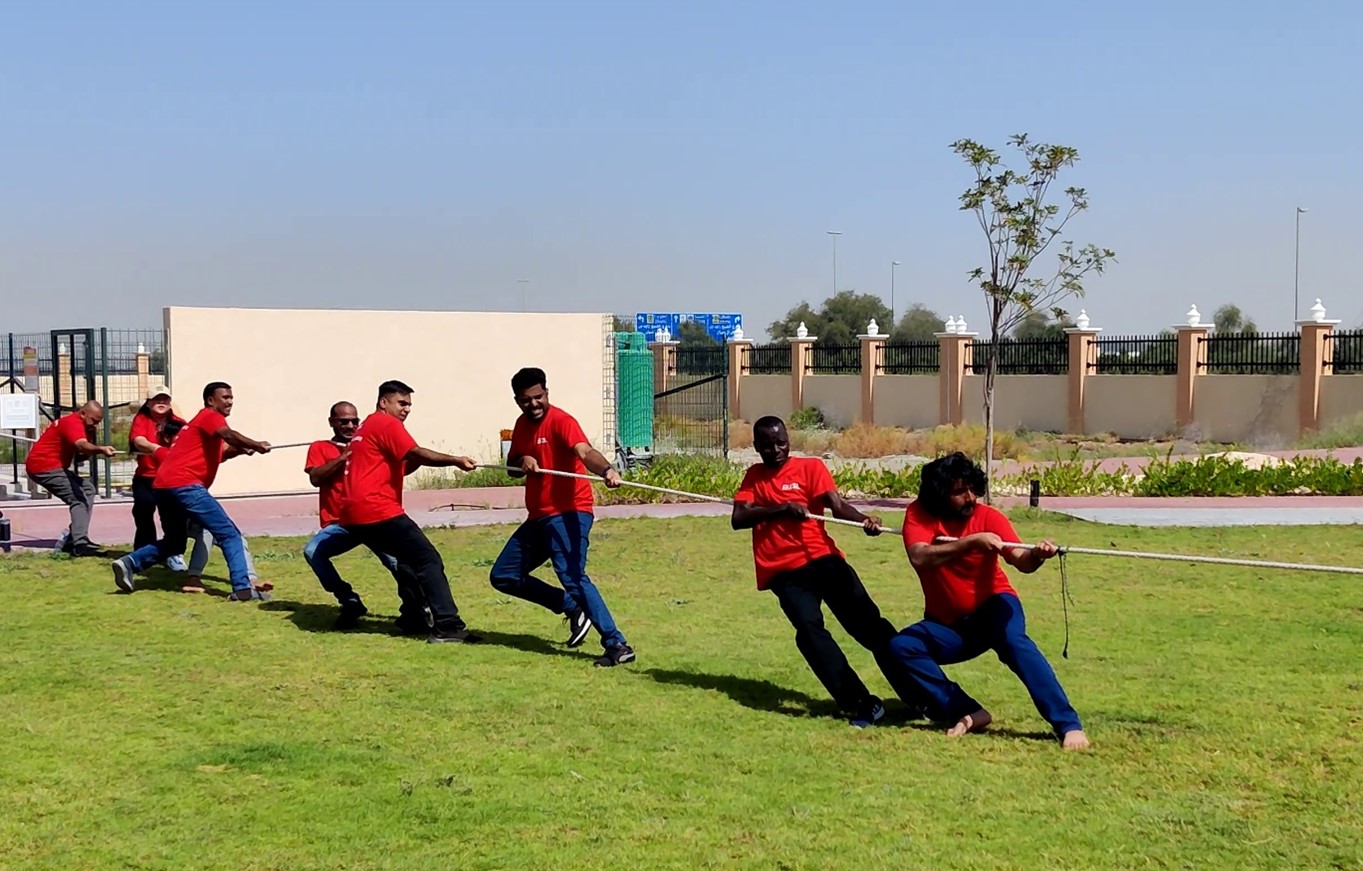
Strength and unity: Success relies on the team’s collective strength and synchronised effort.
Coordination and strategy: Teams must coordinate their pulling and strategize the best times to exert maximum effort.
Team spirit: The physical and competitive nature of the game fosters a strong sense of team spirit and determination.
Enhancing team building in organisations: lessons from cricket and football
Cricket and football are exemplary sports demonstrating the importance of strategic planning, communication and coordination among team members. This makes them valuable analogies for team building in an organisation.


Strategic planning: Developing a game plan is crucial in cricket and football. In cricket, strategies involve field placements, batting orders and bowling variations tailored to exploit the opponent’s weaknesses. Similarly, football teams devise formations, set plays and defensive schemes. Translating this to an organisational setting, strategic planning helps set clear objectives, define roles and anticipate challenges, leading to more cohesive and goal-oriented teams.
Communication: Effective communication is essential in both sports. Cricket requires constant verbal and non-verbal cues between players to adjust field positions or plan run chases. Football players must communicate to execute passes, coordinate defensive structures and initiate attacks. In organisations, clear communication ensures that all team members are aligned with the vision, tasks are executed efficiently and issues are promptly addressed, fostering a collaborative environment.
Coordination: The seamless execution of plans in cricket and football hinges on perfect coordination. Cricket players must synchronise their efforts in batting partnerships, relay throws and catching. Football relies on coordinated movements to maintain formation, press the opposition and create scoring opportunities. Similarly, coordinated efforts in the workplace lead to enhanced productivity, as team members work harmoniously to complete projects, meet deadlines and achieve common goals.
Incorporating these principles from cricket and football into organisational practices can significantly enhance team building. Organisations can create more unified, efficient and high-performing teams by emphasising strategic planning, fostering open communication and ensuring coordinated efforts.
Inspiration from games in our professional journey
We draw inspiration from these games as we continue supporting manufacturers and partnering with governments to endorse high-quality standards. Each game teaches us the value of unity, resilience and the pursuit of common goals. It reminds us that, in both traditional games and our professional pursuits, ‘teamwork makes the dream work’.
The team’s success depends on each player’s ability to work together, trust one another and remain focused on the goal despite challenges. Similarly, our success is built on the collective efforts of our team. We can overcome obstacles, innovate and achieve excellence in our field by working together.
Conclusion
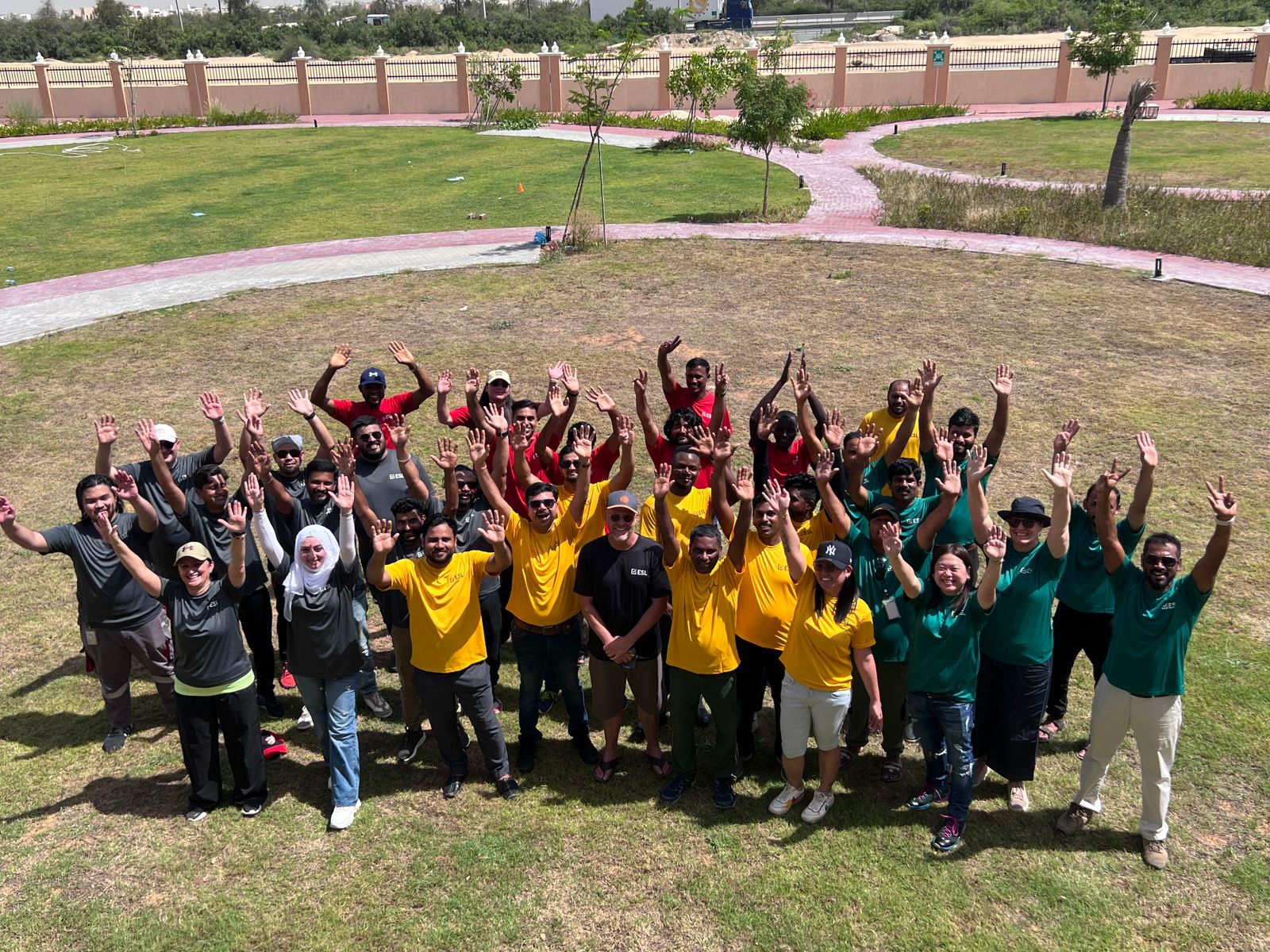
Team-building activities are essential for creating a positive and collaborative work environment. At ESL, we have embraced this philosophy by organising various games and sports events that promote teamwork and cross-functional interaction. These activities have not only brought our employees closer but have also helped them develop essential skills that are crucial for our success.
The essence of these games resonates with our values of teamwork, innovation and integrity. As we strive for excellence in fire-safety testing and certification, we draw inspiration from these games, which teach us the importance of unity, resilience and collective effort.
By fostering a culture of collaboration and mutual support, we can achieve our goals and positively impact the communities we serve.
About the Author

Mustafa Chamadiya
With a rich tapestry of two decades dedicated to championing sustainability, quality, and health and safety management, Mustafa stands as a seasoned professional in the field. Holding the prestigious title of an approved IRCA (International Register of Certificated Auditors) principal auditor, Mustafa brings forth a wealth of knowledge and insights garnered through a decade-long auditing journey.
Presently, Mustafa serves as the guiding force behind Governance, Compliance, and Regulations at ESL, bringing a unique blend of strategic vision and hands-on experience to the forefront. In this pivotal role, Mustafa continues to navigate the complex landscape of standards and regulations, ensuring ESL remains at the forefront of industry best practices.
