
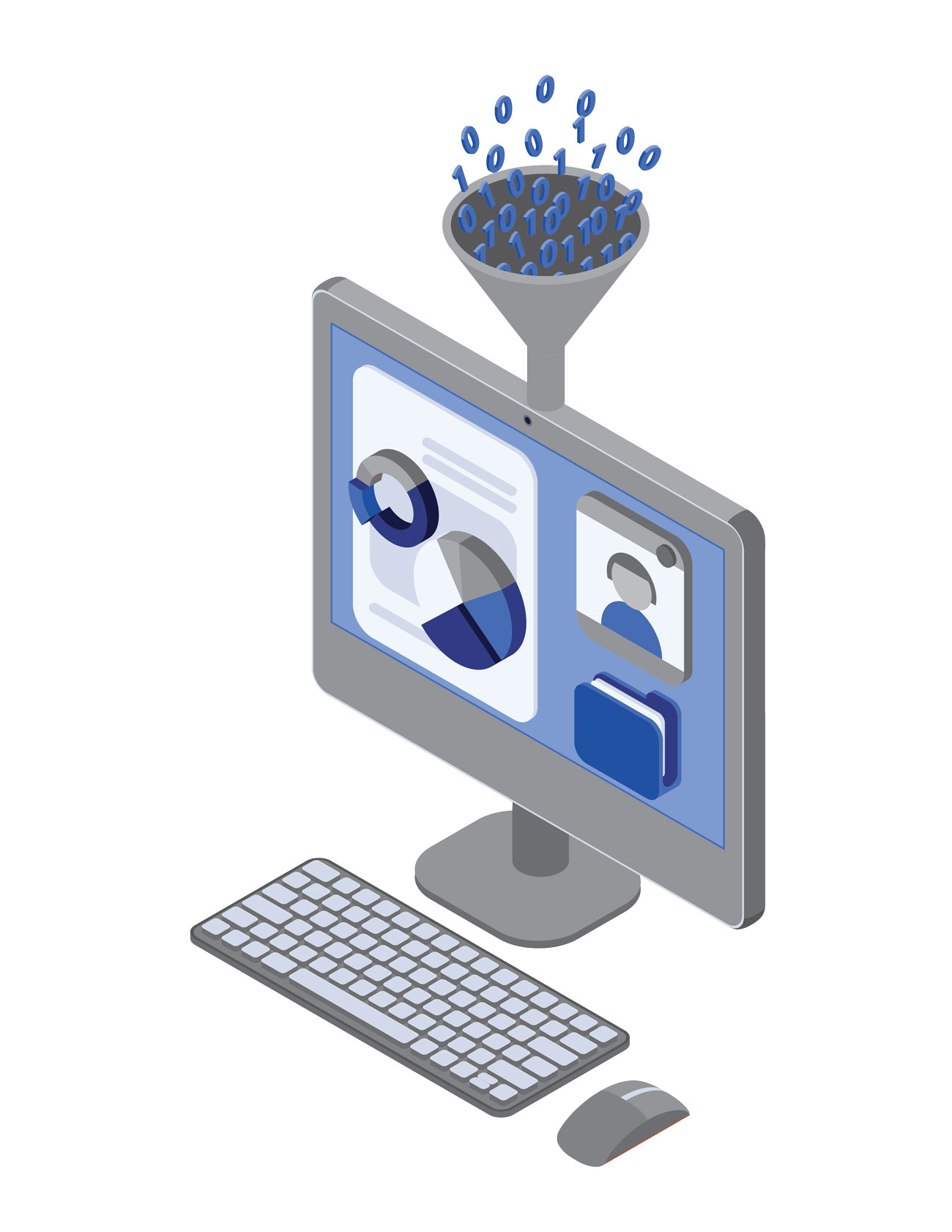
Data collection, connectivity (IoT), and remote monitoring have revolutionized nearly every industry. As a result, data has become an incredibly valuable commodity, and almost no business can afford to neglect it if they want to be competitive in the marketplace. Integrating sensors into key components makes it possible to easily collect, analyze, and aggregate data in ways never before possible. Building and facility monitoring dashboards can collect and display critical information on systems such as natural gas and electricity consumption, as well as HVAC system health and status. In fact, the HVAC industry was relatively quick to adopt integrated sensing technologies to monitor their systems and collect the appropriate data.
Even though the fire suppression industry is beginning to realize the benefits of this technology, there still seems to be hesitancy to explore adding integrated sensing to fire suppression systems. But there is a real need for the industry to adopt this technology.
Many fire suppression systems are installed in locations that are difficult to access, such as telecom shelters, power substations, and offshore liquid natural gas and oil rigs. Additionally, many businesses are operating with fewer people on-site. These factors can make it difficult to monitor the status and health of fire suppression systems. Adding integrated sensing and remote monitoring can add significant value to a system.
Because fire suppression systems are typically inspected only twice per year, system faults might only be detected during these biannual inspections. This means that a fault could occur between inspections that may eventually result in complete system failure, such as a leaking valve that may slowly discharge the system. But with the appropriate sensors integrated into key components, minor faults can be detected as they occur and corrected before the system is rendered inoperable.

Integrating sensors into fire suppression actuators means that data such as current, voltage, firing pin position, correct installation of the actuator, and even shock in the X, Y, and Z axes can be recorded and monitored remotely. Liquid level sensors and weighing systems can be used to automatically determine the weight of the extinguishing agent in the system’s cylinders. Access to these kinds of data means that the health and status of the system can be monitored in real time from virtually any location. The data can also be analyzed for preventative and predictive maintenance.
As customers begin to realize the benefits that IoT and data collection are having on their other systems, they will look to see those same benefits applied to their fire protection systems. The HVAC industry is already utilizing this technology, and they may seize the opportunity to include fire suppression data into their monitoring systems. Fire suppression industry stakeholders should consider investing in connectivity, data collection, and remote monitoring to realize the potential value of their fire suppression systems and stay competitive in the marketplace.
For more information: www.tlxfire.com
