Firefighting networks are critical in protecting lives and property from fire hazards. A firefighting network is a complex system of pipelines, pumps, valves and other components that deliver water to the fire scene. However, these networks can be subject to pressure surges, which can cause significant damage to the system and compromise its effectiveness. Surge analysis is, therefore, a critical component of the design and maintenance of firefighting networks.
In this article, we will discuss the basics of surge analysis in firefighting networks, why it is important, how it is conducted and what measures can be taken to prevent pressure surges.
What is surge analysis?
Surge analysis is a process that involves studying the behaviour of water flow in a pipeline system under transient conditions. Transient conditions are sudden changes in the flow or pressure of water, which can occur due to various reasons, such as pump failure, valve closure or sudden changes in demand. Surge analysis helps to predict and analyse the effects of these transients on the firefighting network.
Why is surge analysis important in firefighting networks?
Surge analysis is important in firefighting networks for several reasons. Firstly, it helps to identify potential pressure surges that can occur in the system and predict their impact. This is essential in designing a robust firefighting network that can withstand transient conditions and continue to deliver water to the fire scene effectively.
Secondly, surge analysis helps to ensure the safety of the firefighting network components. Pressure surges can cause significant damage to pipes, pumps, valves and other components, leading to costly repairs and downtime. Surge analysis can identify potential damage points and help in implementing mitigation measures to reduce the risk of damage.
Finally, surge analysis is important in ensuring the reliability and effectiveness of the firefighting network. The ability to deliver water to the fire scene quickly and efficiently is critical in firefighting operations. Surge analysis helps to identify bottlenecks and inefficiencies in the system and implement corrective measures to improve the network’s performance.
How is surge analysis conducted?
Surge analysis is conducted using specialized software that simulates the behaviour of water flow in the pipeline system under transient conditions. The software uses mathematical models to predict the pressure and flow changes that occur in the system due to transients. The results of the analysis are used to identify potential problems and develop mitigation measures.
The first step in surge analysis is to collect data about the firefighting network, including the network layout, pipe sizes, pump characteristics and valve settings. This data is used to create a hydraulic model of the network, which is then input into the surge analysis software.
The surge analysis software simulates the behaviour of the network under transient conditions, such as pump failure or valve closure. The software calculates the pressure and flow changes that occur in the system and predicts the potential impact of these changes on the network components.
The results of the surge analysis are used to identify potential problems in the network, such as pressure surges, water hammer or cavitation. These problems can be caused by various factors, such as sudden valve closure, changes in demand or pump failure. The surge analysis results help in developing mitigation measures to prevent or reduce the impact of these problems.

Measures to prevent pressure surges
Several measures can be taken to prevent pressure surges in firefighting networks. These measures can be broadly classified into two categories: design measures and operational measures.
Design measures
Design measures involve designing the firefighting network to withstand transient conditions and prevent pressure surges. Some of the design measures are:
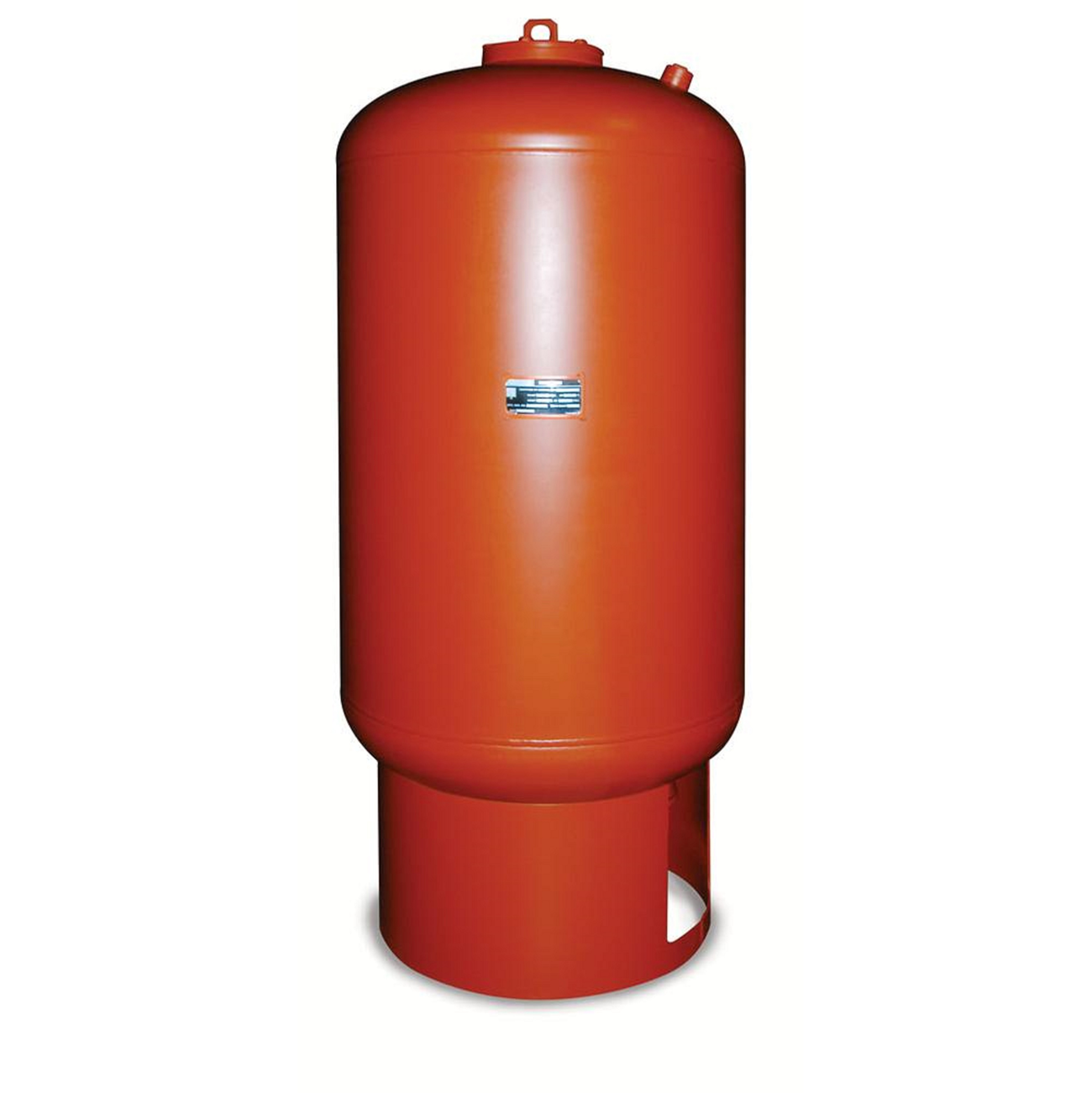
- Surge arresters are devices that are installed in the pipeline system to prevent pressure surges. They work by providing a cushioning effect, absorbing the energy of the transient and preventing it from causing damage to the system. Surge arresters are typically made of a gas-filled chamber that compresses when a surge occurs, absorbing the energy of the transient. Surge arresters can be installed at various points in the pipeline system, such as near pumps, at bends or elbows, or at the entrance to the pipeline system. Surge arresters are an effective measure for preventing pressure surges, and their installation should be considered during the design phase of the firefighting network.
- Check valves are installed in pipeline systems to prevent backflow, which can cause pressure surges. Check valves allow water to flow in one direction only, preventing the reversal of water flow in the pipeline system. Check valves should be installed at points where water can reverse flow, such as at the end of the pipeline system or where the pipeline system connects to other systems. Check valves are an effective measure for preventing pressure surges, and their installation should be considered during the design phase of the firefighting network.
- Pressure relief valves are installed in the pipeline system to release excess pressure that may occur due to sudden changes in water flow or pressure. Pressure relief valves are typically installed at the highest points in the pipeline system or at points where pressure can build up, such as near pumps or bends. Pressure relief valves are an effective measure for preventing pressure surges, and their installation should be considered during the design phase of the firefighting network.
Operational measures
- Valve closing is a simple operational measure that can be used to prevent pressure surges. Valve closing involves closing a valve slowly rather than quickly, which reduces the impact of the transient on the pipeline system. Valve closing should be done in a controlled manner, and operators should be trained in the proper valve-closing techniques.
- Pump control is another operational measure that can be used to prevent pressure surges. Pump control involves controlling the speed of the pump, which reduces the impact of the transient on the pipeline system. Pump control should be done in a controlled manner, and operators should be trained in the proper pump control techniques.
- Flow restriction is an operational measure that involves restricting the flow of water in the pipeline system, which reduces the impact of the transient on the pipeline system. Flow restriction can be achieved by installing a flow restrictor in the pipeline system, which reduces the flow of water. Flow restriction should be done in a controlled manner, and operators should be trained in the proper flow restriction techniques.
Conclusion
Pressure surges can cause significant damage to firefighting networks and compromise their effectiveness. Surge analysis is a critical component of the design and maintenance of firefighting networks, helping to identify potential pressure surges and their impact on the system. Measures to prevent pressure surges should be implemented during the design phase of the firefighting network and as part of operational procedures. These measures include the installation of surge arresters, check valves and pressure relief valves, as well as operational measures such as valve closing, pump control and flow restriction. Firefighting organizations should invest in surge analysis and the implementation of these measures to ensure the safety and effectiveness of their firefighting networks.
About the Author

Ahmed Mamoun
Ahmed Mamoun is a Mechanical Engineer and a Certified Fire Protection Specialist from the National Fire Protection Association (NFPA) with extensive experience in Process Safety and Fire Protection Engineering. With a passion for ensuring the safety of people and assets, he has dedicated their career to developing and implementing effective fire protection strategies and ensuring compliance with industry standards.