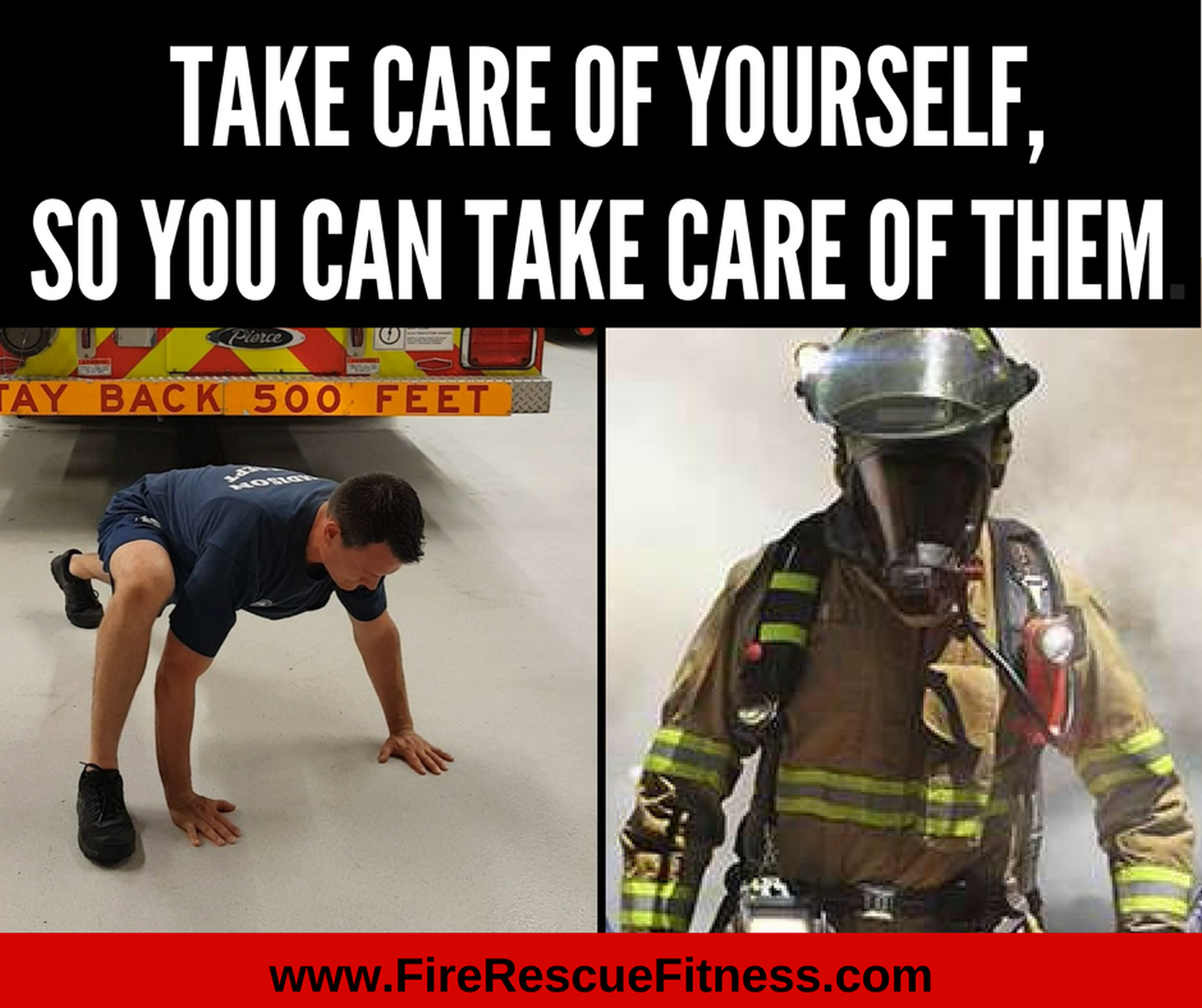
We all want to (or should) improve our health and fitness. Year after year it is the most popular resolution. As a first responder, you should always strive to improve your health and fitness and/or maintain it. If you don’t believe me, pick up any trade journal and read the health and wellness research. We as first responders have higher rates of cancers, obesity, diabetes, heart conditions and injuries than the general population. We also are more likely to suffer from mental health issues.
This brings me to the question: how are you doing with your fitness and health goals? We all have great intentions at the beginning of the year, but then ‘life’ takes over and we fall off track. You are not alone as this happens to a majority of us, me included (even though I am supposed to be the expert). We all face challenges when it comes to managing our fitness. The good news is that it can be easier than you think with some simple planning and strategy.
Here are five steps you need to take to make fitness progress this year.
1. Lose your excuses. I like to call this step ‘cleaning out the junk’. We all have a lot of junk and excuses in our heads that sabotage our fitness. I understand because I have them myself. When it comes to fitness and health it is easy to start comparing yourself to others, looking around for better workouts and the best diets. I think in a lot of cases we search for the solution harder than we work on the solution itself. So, this year, get all the junk out of your head. This is your journey. Be honest with where you are currently and set a realistic goal. You can lose 10 pounds this year, you can get stronger and leaner, and you can make it a healthier year. We all have them, stop letting them stand in your way. Lose your excuses and decide to commit to your fitness. The more fit and healthy you are, the better firefighter, EMT, medic and/or parent you will be!
And by cleaning out the junk I also mean cleaning out all the foods that sabotage your fitness progress. Get them out of your house, lose the high-sugar, high-fat foods and replace them with some fruits, vegetables and healthy options. Out of sight and out of mind. If you have kids, stop using them as an excuse. We all should be eating healthier!
2. Get/ create a plan. This is where most people fail. Do not just start working out by doing the ‘workout of the day’ or your ‘buddy’s’ plan. Or, even worse, do not go back to the ‘old routine’ that you used to always do. We all have exercises and routines we gravitate toward because we are comfortable with them. Get out of your comfort zone and train differently. If you have been doing the typical chest and triceps, legs and abdominal muscle routines, change it up and train more functionally for the job. Our workouts and fitness programmes should all help us improve performance, reduce injuries and prolong our careers. Workouts need to include dynamic warm-ups, core exercises, full-body functional strength movements and finish with some cardio activity. Workouts should build on each other and need to include recovery days. As firefighters we create action plans for our responses, and you must do the same for your fitness and wellness. I have a free 28-day Catalyst Workout programme for all International Fire Fighter readers. You can get access by going to: https://firerescuefitness.com/28-day-catalyst-program

3. Eat like an athlete. You cannot out-train a bad diet. Fitness progress happens in the gym and the kitchen. One of the things you do not want to do is waste your time in the gym by following it up with poor nutrition. Make sure you prepare your meals, watch for added sugars, hydrate and mind your portions. And one of the best ways to stay on track is to plan a cheat meal each week. This will help you avoid burnout.

Nutrition and eating healthily can also be overwhelming! There are so many diets and plans on the market, how do you know where to begin? Start with the basics. Focus on hydration, drink at least 70 ounces (2 litres) of water a day. Then add some vegetables. Aim to eat at least 5 servings a day. These two steps will help you clean up 70% of your nutrition. The last part of this is to start reading labels and noting serving sizes. If you understand and figure out what you are currently eating, it is a lot easier to make some simple changes to make improvements.
And lastly, slow down when you are eating. The brain is always behind the stomach in signalling that we are full. Hunger and satiety cues are based on the release of hormones within our bodies. It takes about 15–20 minutes for the body to signal to the brain that you are full. Eat too fast and miss the ‘stop’ sign our brain sends and you will consume too much food. Try to take at least 15 to 20 minutes to eat your first helpings, then re-evaluate if you are still hungry.

4. Get support. One of the best ways to ensure success is to surround yourself with like-minded individuals. Tell your family, friends and crew about your fitness goals. Challenge those around you to join your quest for better health and fitness. I think you will be surprised at the support you will get. This will also make it easy to follow better nutrition if everyone is eating healthily. Start to educate yourself on the basics of healthy eating and fitness and talk to others about their experiences. We are in this together.
5. Execute your plan. This is the hard step. You must set aside time every day to work on your health. I have worked with thousands of first responders over the past 15 years and the one thing that every success story has in common is that they made the commitment and did whatever it took to create a healthier environment. The key to your fitness success is consistency. Stop looking for quick fixes and fad diets; instead commit to making workouts and good nutrition a part of your lifestyle.
Start to prepare healthy meals and snacks, make sure to carve out time for your workouts, eat like an athlete and make progress every day. Your community, family and crew depend on you to be healthy and fit.
Final thoughts
This is your journey, not someone else’s. Stop comparing yourself to other people and go at your own pace. No one else has your exact situation going on, so it is impossible to compare yourself to anyone else. The moment you start looking at what everyone else can do, or has, is the moment you lose perspective on what you are trying to accomplish. When we get the comparison game going is when we usually end up feeling worse about ourselves, and often this feeling can lead us to give up entirely.
Evaluate your progress every 30 days, reward yourself for your smaller victories and re-work your plan if you are not where you want to be. This is a process and a journey, so enjoy the ride!
Now is the time to improve your fitness.
About the Author

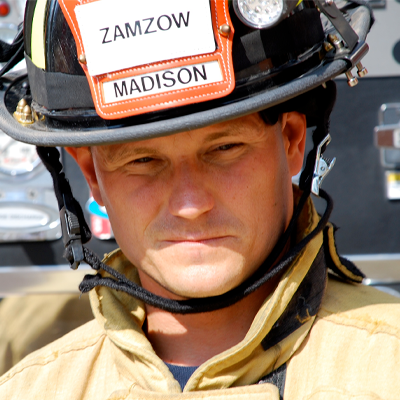
Aaron Zamzow has over 20 years of firefighting experience as an on-call paid firefighter in Golden Valley, Minnesota, and is currently a career Firefighter/ EMT and Training Officer in Madison, Wisconsin. He is the owner of Fire Rescue Fitness, a company that creates workout programmes and fitness resources that focus on getting Fire Rescue Athletes ‘fit for duty’.