
Bruce Wong
It is well known that our body needs to absorb appropriate amounts of minerals from food and drink to maintain the normal functions of cells and organs. If viewed from another angle, food also mitigates psychological stress. Subject to operational needs, meal arrangement is a big problem confronting the industry during local prolonged or overseas missions where there is poor accessibility and damaged infrastructure. It is worth learning how to select suitable food and drink for emergency responders whether standing by or discharging life-saving activities.
NFPA Standard
Emergency responder must respond to emergencies at any time while on duty. Sufficient nutrition intake can help keep the body and mind in good condition. According to the NFPA 1584 (Standard on the Rehabilitation Process for Members During Emergency Operations and Training Exercises), it is recommended that emergency responders avoid having the following beverages: alcohol within 8 hours prior to duty, carbonated, high-fructose-content and high-sugar drinks, foods with high fat and/or high protein content, excessive fluids, tobacco, creatine supplements, ephedrine, beverages exceeding 400mg of caffeine per day and energy drinks.
Alcohol and caffeine
Alcohol isn’t a good fluid during work. It not only affects judgement but also increases urine output and delays rehydration. Worse still, alcohol can cause headache, hangover, tiredness and thirst after a period of time. This is the reason for not recommending drinking alcohol within 8 hours prior to duty.
On the other hand, caffeine appears harmless, but over-consumption can pose some health risks, includes headaches, stomach upset and raised heart rate. Long-term excessive use of caffeine leads to caffeine dependence as well. Daily caffeine intake of 400mg (about four cups of coffee) is recommended.
Do not drink too much fluid
It is easy to lose water during the rescue mission because the emergency responders need to wear heavy protective equipment and consume a lot of energy in the disaster scene. In fact, it is also difficult to drink during life-saving activities. For rapid recovery from dehydration, drinking is important. But do remember that consumption of smaller amounts of fluids frequently is better than rapid consumption of large amounts as it causes nausea and vomiting.
Energy drinks ≠ sports drinks
In general, water is usually the best choice for maintaining fluid balance and preventing dehydration. Sports drinks add 4–8% carbohydrates and 0.5–0.7g of sodium per litre of solution and can provide energy quickly for prolonged operations. But sport drinks are not the same as energy drinks. The latter contain ingredients that can significantly raise heart rate and blood pressure. As a result, they can increase the cardiac risk for emergency responders. In addition, carbonated, high-fructose-content and high-sugar drinks may cause stomach upset as well.
Creatine supplements
Good physical fitness is essential for conducting search and rescue operations. Consumption of creatine supplements might increase emergency responders’ body strength, but it also increases the risk of dehydration, nausea and vomiting.
Ephedrine
It is commonly used for decongestant and cough syrup since ephedrine can relieve airway obstruction and nasal congestion. However, it also raises heart rate and causes nausea and confusion.
Tobacco
Some people smoke for refreshment. It is because dopamine is released in human brains and gives an excitation while smoking. But at the same time, it also causes nicotine addiction, dependence and great harm to body. According to the statistics from research institutes, smokers have higher chances of lung cancer, heart diseases and cerebrovascular disease.
Spiritual satisfaction
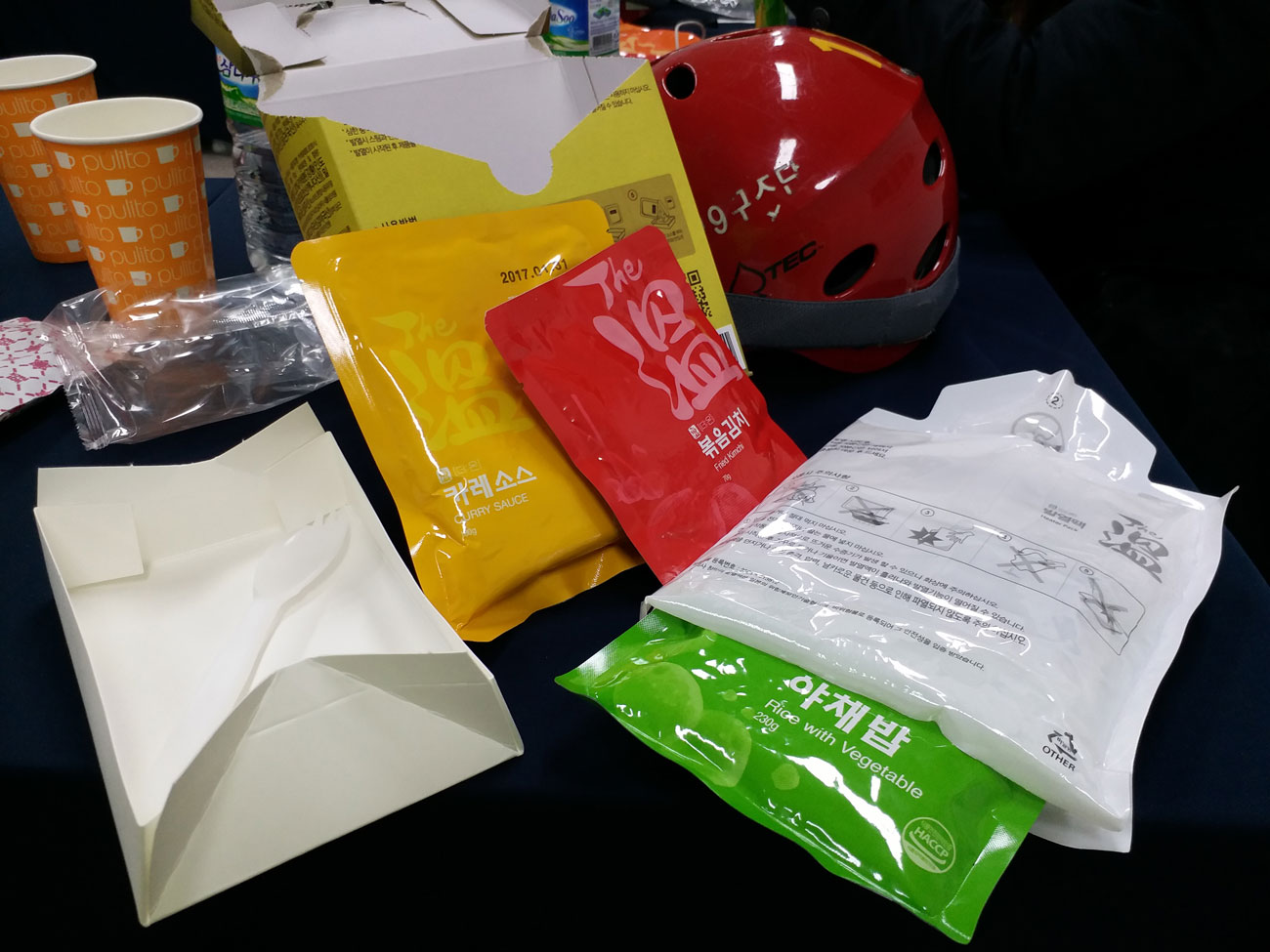
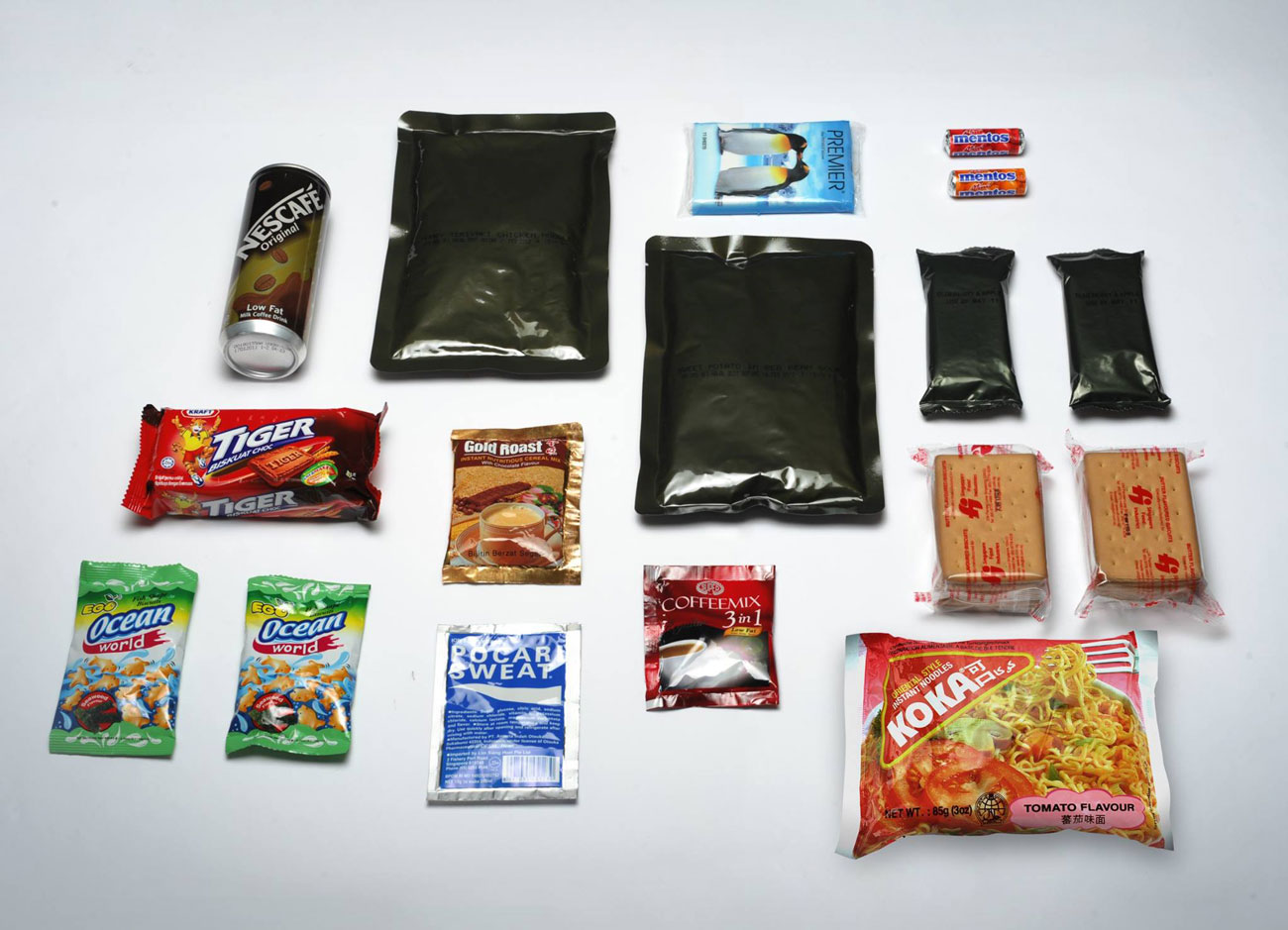
Food is not only to satisfy the physical need but also to bring spiritual satisfaction. For the overseas mission, the emergency responders are required to leave their home for a week, maybe longer. Instant foods, such as energy bars and ready meals, are popular choices as they are convenient solutions for emergency food supplies with no preparation required, especially when hygiene is not dependable. The emergency responders may feel homesick during the mission. The ‘taste of home’ can provide some psychological support in difficult situations. For example, the ready meals from South Korea and China contains kimchi and rice respectively.
What is an adequate meal?
Information from the World Health Organization (WHO) show the daily energy requirement for a person is a minimum of 2,100 Kcal per day and special dietary needs should be considered. According to the NFPA 1584, the heavy workload, such as forcible entry or extrication operations, could burn off 300–500 Kcal per hour.
Conclusion
It is a natural requirement for every emergency management authority to provide adequate food and drink for their responders. However, every emergency responder also has responsibility to take care of their own health. I hope this article can raise emergency responders’ interests in their own physical and mental health to prepare for incident-response demands.
References
Caffeine and Your Body. Silver Spring: Food and Drug Administration of the U.S. Department of Health and Human Services, 2007.
Classification and minimum standards for emergency medical teams: World Health Organization, 2021.
NFPA 1584 – Standard on the Rehabilitation Process for Members During Emergency Operations and Training Exercises: National Fire Protection Association, 2022.
O’Connor RE. Exercise-induced hyponatremia: causes, risks, prevention, and management, 2006
Shirreffs SM, Maughan RJ. Restoration of fluid balance after exercise-induced dehydration: effects of alcohol consumption, 1997.
About the Author

Mr Bruce Wong is Country Representative of the International Association of Emergency Managers and USAR instructor of the International Technical Rescue Association.
