
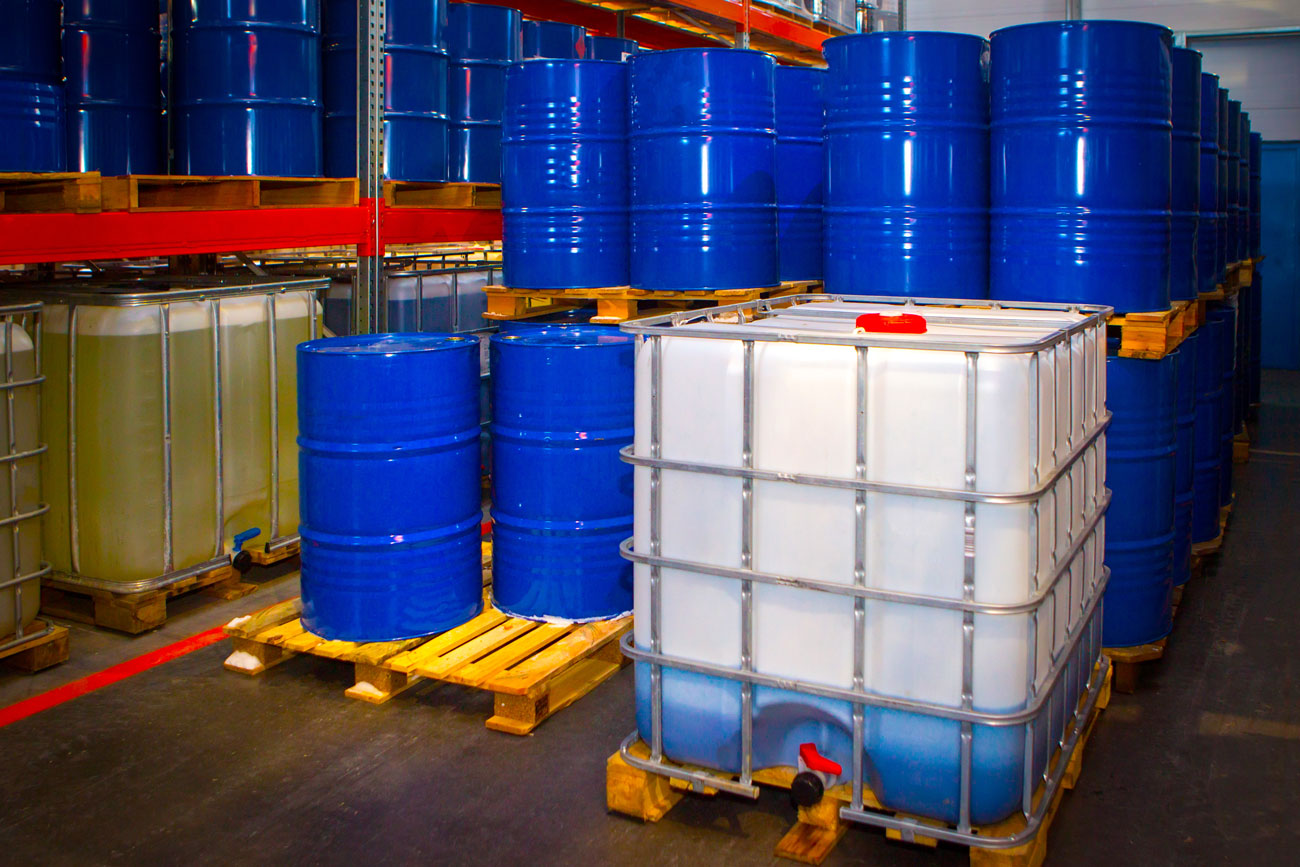
With technological developments, storage needs are increasing day by day as the unit volume of stored materials is increasing day by day. In a potential fire, the increase in the fire load in such places raises the fire hazard to a higher level. This makes it necessary to take the measures related to fire-safety systems to a high level, especially in these storage places. In addition to measures such as architectural fire-safety measures, insulation measures and detection systems, fire-extinguishing systems are at the forefront of the necessary precautions needed. In such warehouses, the design of fire-extinguishing systems differs according to the type and shape of the stored materials. In general, the warehouses where the fire hazard and fire load are greatest are the storage facilities where flammable liquids are stored; therefore, it is a necessity to take high-level precautions while designing the fire-extinguishing system of such facilities.
There are many standards developed for the fire-extinguishing system design of storage facilities, but in general, American and European standards are the most accepted standards in this regard. In addition to all these, NFPA (National Fire Protection Association) standards are the most widely used among the standards that describe the extinguishing-system design of warehouses where flammable and combustible materials are stored, depending on the type of material stored.
NFPA standards have also developed multiple standards related to the spaces where flammable combustible materials are kept. The main ones are:
- NFPA 16 Standard for the installation of foam-water sprinkler and foam-water spray systems
- NFPA 11 Standard for low-medium and high-expansion foam
- NFPA 30 Flammable and combustible liquids code
NFPA 16 standards generally specify minimum requirements. NFPA 11 standards, on the other hand, are lowered relatively less than NFPA 30 for storage facilities with racked storage. Therefore, the standards that should be taken as a basis in the design of especially foam extinguishing systems in flammable liquid tanks are NFPA 30 standards.
There are many data that should be known while designing the extinguishing system for flammable liquid tanks. Values such as the type of materials, flashing and boiling temperature values, height of the warehouse area, storage style (with shelves, stacking, pallets, etc.), storage heights, and in which type of containers the materials will be stored are input into the design. Relevant ceiling sprinkler head type, relevant inter-rack sprinkler head type and extinguishing agent type are also selected by the designer, and output values given in the NFPA 30 standard are reached and the design is made accordingly.
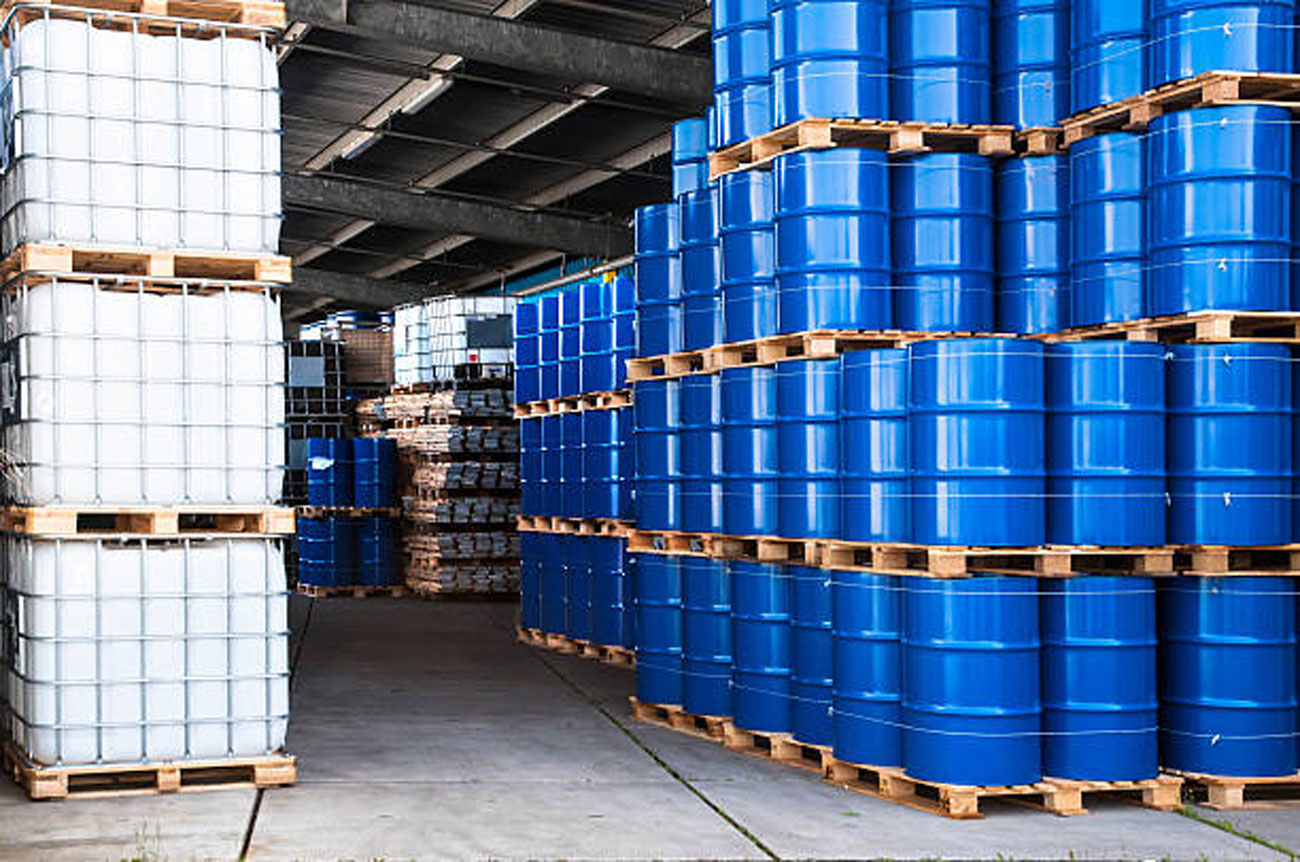
Various types of liquids are stored in the data for the required source flow and pressure values. The types of stored material are classified as follows in NFPA 30:
Class IA- Liquids with a Flash Point less than 22.8 °C and a boiling point lower than 37.8 °C
Class IB-Flash Point less than 22.8 °C, boiling point equal to or higher than 37.8 °C Class IC Flash Point less than or equal to 22.8 °C Less than 37.8 °C liquids with
Class II-Liquids with a Flash Point equal to or greater than 37.8 °C, less than 60 °C
Class III A-Liquids with a Flash Point equal to or greater than 60 °C and less than 93 °C
Class III B-Liquids with a Flash Point equal to or greater than 93 °C
For liquids with a low flash point, the required source flow and pressure are greater.
Due to the flow and pressure advantages it provides, foam extinguishing systems are generally preferred in these types of tanks. While designing, if foam extinguishing system applications are preferred, it should be kept in mind that the type of foaming agent may vary according to the type of stored material.
Beyond making an investment decision, one of the most important requirements is making sure the system is installed correctly in accordance with the relevant international standards at every stage from design and assembly to maintenance, and to work with companies to achieve this.
About the Author

Erhan Edip Nakıpoğlu
Erhan Edip Nakıpoğlu is Co-Founder of Evenos Fire Protection Systems Inc.
