In the pursuit of safeguarding the lives and health of firefighters, the evolution of firefighting strategies and equipment has been nothing short of remarkable. Over the past five decades, the fire service has witnessed substantial improvements in Personal Protective Equipment (PPE), Self-Contained Breathing Apparatus (SCBA), post-response protocols and standard operating procedures. These advancements have been instrumental in ensuring that those who stand on the front lines of fire-related emergencies are adequately protected. Nevertheless, in our pursuit of enhancing firefighter safety, we must also address a seldom-discussed yet profoundly significant issue: the presence of lingering airborne threats after a fire call.
Airborne threats
The atmosphere within a fire scene harbours threats that can be life altering. The fire itself, structural integrity and firefighter fitness are often discussed and trained on, but lurking in the very air firefighters breathe is another threat: airborne contaminants. Airborne threats can be categorized into three primary types: volatile organic compounds (VOCs), particulates and aerosols.
Volatile Organic Compounds (VOCs)
VOCs are gases emitted from various processes and products. These compounds are frequently encountered during and after a fire event. Many VOCs are recognized as cancer-causing agents that can lead to long-term illness. They are found indoors and outdoors in many products, including paints, flooring materials, adhesives, furniture, wood, gasoline and more – all of which are likely to be encountered during an active fire. Additionally, VOCs can react with other gases, resulting in the formation of added air pollutants.
On a fire scene, SCBA is worn to protect firefighters from these specific health threats. However, we must also consider that when VOCs are emitted, they tend to adhere to firefighting gear, the skin of firefighters and the equipment used. Even after the call has concluded, these VOCs persist, off-gassing into the air for hours after the call. This protracted off-gassing presents a substantial risk, as it heightens the likelihood of firefighters and other individuals, including those riding in fire apparatus and visiting fire stations, inadvertently inhaling these harmful compounds.
Particulates
Particulates, another formidable adversary in the firefighting arena, are often found in soot and smoke. These minuscule particles come in a range of sizes; some are large enough to be discerned with the naked eye, while others are so small that they require an electron microscope to see them.
Particulates, comprised of an array of chemicals, pose a significant hazard to firefighters. When these particles come into contact with the skin or are inhaled, they have the potential to infiltrate the bloodstream, thereby increasing the risk of cancer and a multitude of diseases. These particulates are often airborne, but something as simple as storing dirty gloves inside a firefighter’s helmet can increase the risk of exposure to these harmful particulates.
Aerosols
Aerosols are liquid particles suspended in gas. These particles can carry a diverse range of health risks and can lead to elevated sick days among firefighting crews. Exposure to aerosols can occur in many settings, including on medical calls, in the back of an ambulance, at the fire station, inside apparatus cabs, and in communal areas of the fire station.
Other risks
It is crucial to acknowledge that the station environment and the cabs of fire apparatus are not exempt from harbouring additional risks. Allergens, mould spores, exhaust and other potential threats can exist in the air of these spaces. Using a comprehensive air filtration or decontamination system is one way to limit their numbers and potentially reduce the risks associated with breathing them in.
Fighting contaminants
Mitigating the risks associated with airborne contaminants is a multifaceted undertaking, demanding a comprehensive approach that considers multiple factors. The Health Continuum, a holistic framework evaluating health opportunities across many parameters, supplies an invaluable guide for addressing these challenges.
Personal Protective Equipment (PPE)
The evolutionary journey of PPE within the fire service has been nothing short of revolutionary. Nonetheless, the effectiveness of this equipment hinges on its proper usage. The foundational principle is that fire crews must adhere to the latest recommendations for PPE use. This includes the pivotal aspect of ensuring that SCBA is employed whenever the presence of smoke or fumes is detected. The overarching goal is to ensure that standard operating procedures (SOPs) are meticulously followed in various fire scenarios, ranging from vehicle fires to structural fire responses and brush fire conditions.
Gross decontamination
On-scene gross decontamination represents a pivotal and often underestimated step in the battle against airborne contaminants. A methodical and effective procedure encompasses the use of an approved detergent, a source of clean water and a brush for the removal of debris from firefighting gear and equipment. Furthermore, specialized products, such as the DECON/pak, are available to streamline this critical process, enhancing efficiency and thoroughness.

Standard Operating Procedures (SOPs)
SOPs are the bedrock of minimizing exposure to airborne contaminants. Key considerations encompass whether SOPs mandate that firefighters doff their gear before entering the apparatus cab, whether a ‘shower within the hour’ protocol is implemented, if each firefighter has two sets of gear, how often gear must be washed and other decontamination procedures both on scene and off. Regularly reviewing and updating SOPs and requiring adherence can lead to a more health-conscious fire crew.
Air filtration and decontamination
Many methods and technologies are available to fire departments for air decontamination and filtration. These methods can be broadly categorized into additive and subtractive approaches.
Additive methods introduce specific substances into the air to react with contaminants, often relying on chemical reactions to bind with harmful compounds. Typically, these methods rely on the new compound falling out of the breathing zone. Additive methods may inadvertently create new chemical by-products, some of which may be harmful if breathed in.
In contrast, subtractive methods leverage filters and other technologies to remove and reduce the presence of airborne contaminants. One subtractive choice is the CrewProtect and StationProtect. What sets these systems apart is their multi-stage approach to cleaning the air and their continuous operation. The multiple filtration stages capture VOCs, particulates, aerosols and mould, and reduce smells. The continuous operation removes the need for firefighters to opt in or out of their protective benefits. These systems operate seamlessly, ensuring ongoing protection, respective of individual preferences.


Conclusion
Firefighters face a barrage of risks and dangers when they commit themselves to public safety. Within the realm of these challenges, we must address airborne threats that occur after the fire if we are to safeguard the health and well-being of our fire service professionals. By adopting comprehensive strategies, technologies and procedures, fire departments can take substantial strides toward building a healthier, safer and more resilient crew.
About the Author

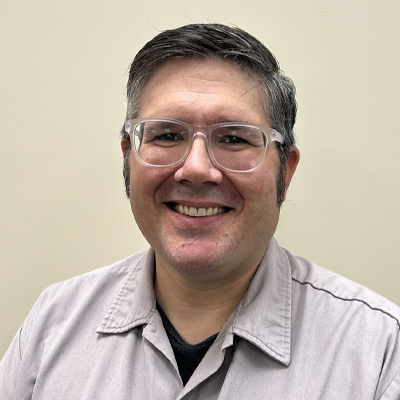
Brian Podsiadlik
Helping other people at all times was instilled in Brian during his time in scouting, leading him to earn the rank of Eagle in 1998. That servant leader mindset in scouting evolved further in 2001 when he joined his hometown Volunteer Fire Department in Dyer, Indiana at the age of 19. He has been involved with the fire service ever since.
Pods continues the mission of helping the fire service continually improve by creating educational content, connecting firefighters to the TFT engineering team for new solutions to fire service challenges, and enabling sales through the training.
Pods earned his undergraduate degree from Purdue in Engineering Technology. He also holds a Professional MBA Essentials Certificate, and IFSAC FF I/II, Instructor I. He continues to add to his fire service knowledge thorough the Indiana Department of Homeland Security.