

News stories about restaurant fires are constant reminders of the importance of properly functioning automatic fire suppression systems in commercial food service and hotel operations. To avoid potentially disastrous fire events, restaurant and hotel owners and operators need to work closely with kitchen consultants, designers, distributors and installers to ensure their fire suppression systems are correctly designed, installed, maintained and compliant with local regulations. That’s because most fire suppression systems on the market are designed to meet basic industry standards but do not always meet the specific fire protection needs of every kitchen and its unique appliances. This can happen when teams are trying to save money, work with certain products that have design limitations, or may not be aware of the latest best practices. As a result, the kitchen and the business can be placed at an elevated risk because the fire suppression system may not work as intended.

Restaurant and hotel owners and operators do not have to sacrifice fire suppression system performance due to competing priorities, budgets or lack of awareness around best practices. By being aware of common misconceptions and best practices, they can help ensure the system is designed, installed and maintained to effectively protect the kitchen’s unique assets and ensure business continuity.
Misconception #1: Kitchen hood protection is one-design-fits-all
In commercial kitchens, automatic fire suppression system components like fusible links and nozzles are typically housed in the plenum of exhaust fume hoods. This placement of key components is important and allows them to protect the cooking appliances underneath the hood, such as ranges, fryers and griddles, which pose the greatest fire risk in a kitchen.
Unfortunately, some restaurant and hotel owners and operators may assume that hood-based kitchen fire protection is one-design-fits-all and what works well for one of their kitchens will work well in another. While this can be true for standardized chain restaurants, it is often unsuitable for independent hotels, fine dining restaurants, bars, cafes or catering operations.
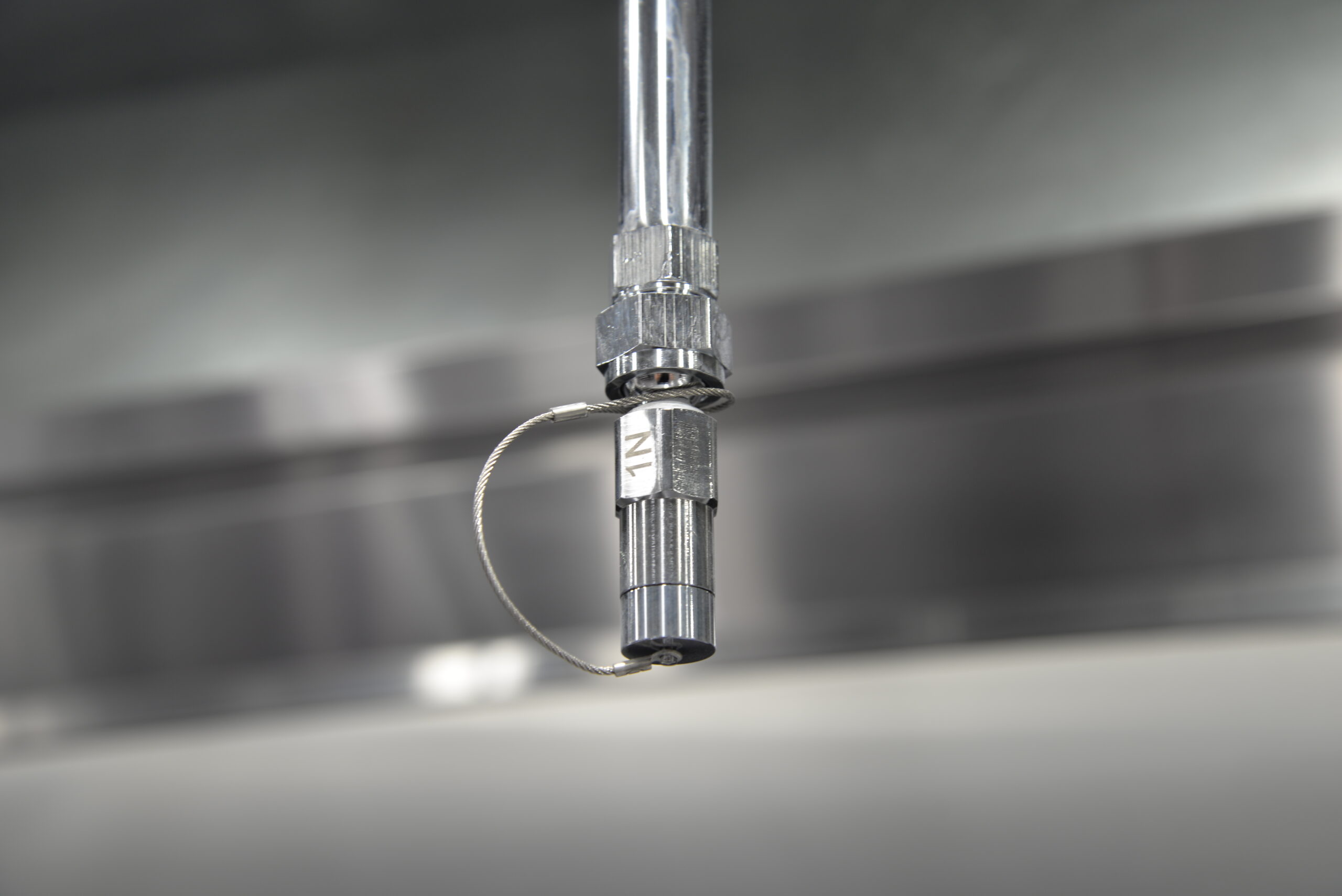
That’s because in nonstandardized operations, cooking appliance arrangements are rarely identical, due to the size and space of the kitchen, restaurant and building – or even based on a chef’s preferences. Even similar cooking appliances can vary in design and operate at different temperatures. This is why it’s important for the fire suppression system’s detection devices to align with the temperature ratings of the various appliances they protect. For example, a charcoal grill can produce a deep-seated fire, which requires a different suppression technique than a fire caused by a fryer.
Specific fire suppression system temperature ratings are achieved by using the appropriate fusible links. Fusible links are temperature-sensitive devices strategically placed in the plenum of a kitchen hood. When the air flow temperature around the fusible link reaches a certain temperature, the soldering of the link melts and activates the release of the fire suppression system. For this process to work effectively, it is essential for the fusible links to be precisely positioned in the exhaust hood’s plenum in accordance with the system installation manual.
When a fusible link’s temperature rating and position correctly aligns with the appliance it protects, the system will activate and release suppression agent to extinguish the fire before it has a chance to grow. If a temperature rating is too high for an appliance, it may not detect a fire until it has grown too large for the suppression system alone to extinguish. Likewise, when a temperature rating is too low, it could break too soon and cause the system to activate unnecessarily, potentially leading to downtime and temporary loss of business.
The fire suppression system distributor can help make sure each appliance is covered by the correct fusible link. The distributor, who should be trained and authorized for the specific fire suppression system, will consult the system manual and may conduct a temperature study to confirm the properly rated fusible links are in place.
In the case of new kitchens, the owner or operator should work with a trained and certified installation company to discuss the types of stations and appliances they plan to use. The more details – like appliance dimensions – that can be provided to the installer, the more accurately they can specify the correct fire suppression solutions. As a result, the kitchen will be better protected by a more customized suppression system with accurate temperature ratings.
Misconception #2: A hazard analysis is only for new kitchens
Commercial kitchens evolve. Restaurant expansion and menu changes can introduce new equipment. Kitchens might adopt new types of cooking technologies, like pressure fryers, to replace older appliances. When these changes occur, some restaurant owners and operators continue to use the original hood arrangements, overlooking the fact that their fusible links may no longer match the temperature rating of the appliances they are intended to protect. In addition, some nozzles discharge less suppression agent than others or have unique spray patterns to protect specific appliances – and they will now be misaligned – rendering some appliances effectively unprotected.
While some kitchens have overlapping fire suppression systems that are designed to maintain protection even when appliance configuration changes, many do not. If the kitchen layout changes and overlapping protection is not in place, it is best to schedule a hazard analysis to ensure proper coverage. During regular system service, a trained and certified engineer or authorized distributor should conduct a design check and hazard analysis to review the kitchen components and determine if they remain compliant with up-to-date fire protection requirements. If needed, restaurant and hotel owners can also request a hazard analysis from the distributor who installed the original system.
It’s important to work with an authorized distributor that understands fusible link and nozzle needs for each specific appliance. The distributor should also be familiar with UL 300, a fire suppression standard for commercial kitchens that is more rigorous than others because it tests suppression products for the worst possible scenarios.
Misconception #3: If I can’t see it, I don’t need to clean it
Regular cleaning is essential to maintaining a compliant, reliable fire suppression system. NFPA 96 establishes how often specific commercial kitchen elements, including those not readily visible, should be cleaned. It is the restaurant operator’s responsibility to make sure the kitchen is cleaned according to that schedule. It’s important to note that the NFPA 96 guidelines set the minimum requirements for cleaning. If components like hoods or nozzles need to be cleaned before the schedule dictates, they should be cleaned as soon as possible to prevent buildup of flammable product.
Different cuisines generate varying amounts of grease that evaporate and stick to the hood and the elements in it, like fusible links, nozzles and the conduit that carries the fire suppression agent. Over time, grease accumulations on these components impede fire suppression system performance. Sometimes, these accumulations go unnoticed because they are contained within the hood and behind filters instead of on readily visible surfaces, like stovetops or countertops.

Thankfully, routine maintenance provides an opportunity to clean hard-to-see areas. For example, according to NFPA standards, fusible links are to be replaced every 6 months, or before, based on the cooking activities taking place. Link replacement requires the removal of filters, which exposes fire suppression system components, including the detection links, nozzles and piping. This is an ideal time to observe grease buildup on all suppression system components and clean them, if needed. Often, the fire suppression distributor can make these observations and recommend if components should be cleaned.
The best way to ensure timely service is by having a maintenance contract for the fire suppression system. The contract should be with the authorized, trained and certified distributor for that specific fire suppression system. This ensures that correct, original parts are used, rather than nonapproved parts that will void the system’s warranty. The distributor will also ensure the system is maintained according to regulatory standards and the manufacturer’s recommendations. During maintenance calls, they can assess any cleaning needs or changes in the kitchen that might require fire suppression system updates.
Ensuring effective fire suppression in commercial kitchens
Commercial kitchen fire protection is an important and ongoing responsibility. Common misconceptions can prevent restaurant owners and operators from using the right components and keeping their systems in good operating order. By coordinating with the right teams and asking the right questions, restaurant and hotel owners and operators can ensure their fire suppression system is dependable, compliant, UL 300 tested and listed, and meets design, installation and maintenance best practices.
It’s helpful to work with a fire suppression provider who not only offers a wide range of technologies to meet your specific needs, but also has the restaurant industry knowledge and experience to answer your questions and provide guidance to ensure your space is properly protected for years to come.
For more resources and videos on protecting your commercial kitchen, click here.
About the Author

Stanislava Garkova
EMEA Product Manager for restaurant fire suppression systems at Johnson Controls. Garkova has more than 8 years of experience in international business and HVAC and fire safety manufacturing.

Jan Waldow
Business Development Manager Vertical Market Hospitality EMEA. Waldow has more than 20 years’ experience in fire safety focusing on commercial kitchens across the European, Middle Eastern and African Markets.
